


Fruit Can Lid Sales: A Niche Market with a Twist
 Jul 02, 2024|
 View:12
Sealing: Lids create an airtight seal, preventing contamination and spoilage.
Preservation: By keeping air and moisture out, lids help preserve the fruit's taste, texture, and nutritional value.
Safety: Lids ensure that the contents of the can are safe for consumption by preventing the entry of harmful bacteria.
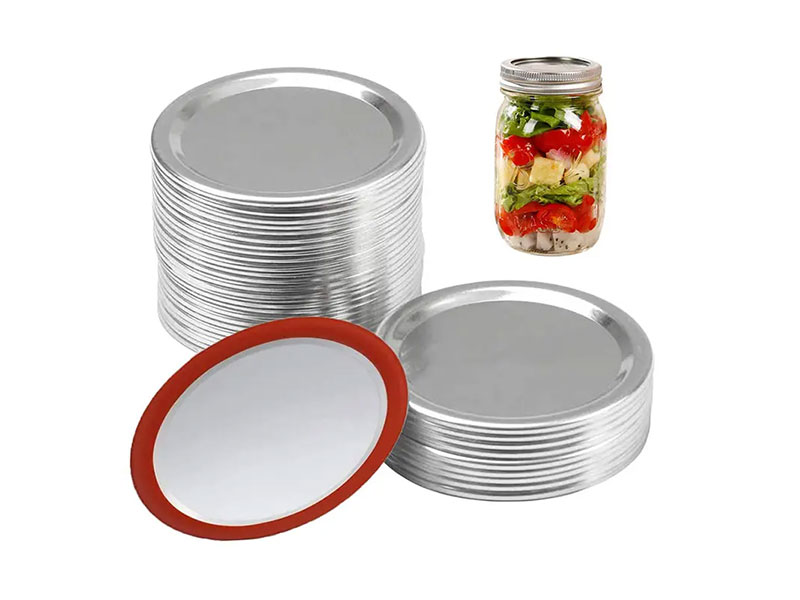
Traditional Metal Lids: These are the most common type, made from tinplate or aluminum.
Plastic Lids: These are lighter and more flexible, often used for smaller containers or jars.
Eco-Friendly Lids: Made from biodegradable materials, these lids cater to environmentally conscious consumers.
Canned Fruit Consumption: As long as there is a market for canned fruits, there will be a need for lids.
Food Preservation Practices: In regions where canning is a popular method of food preservation, the demand for lids is higher.
Seasonal Variations: The sale of fruit can lids may peak during fruit harvesting seasons when canning activities are most prevalent.
Manufacturing: Establishing a manufacturing operation to produce fruit can lids can be a profitable venture, especially with the growing demand for eco-friendly options.
Wholesale Distribution: Distributing fruit can lids to retailers, canning factories, and individual consumers can be a lucrative business.
E-commerce: Online sales platforms offer a convenient way to reach a wider customer base, including home canners and small-scale food producers.

Cost-Plus Pricing: This method involves adding a markup to the production cost to determine the selling price.
Competition-Based Pricing: Setting prices competitively in relation to similar products in the market.
Value-Based Pricing: Charging a premium for lids made from high-quality or eco-friendly materials, reflecting their added value.
Educational Content: Providing information on the benefits of proper food preservation can help drive sales.
Social Media Promotions: Utilizing social media platforms to showcase the use and importance of fruit can lids.
Partnerships: Collaborating with canning supply stores, cooking schools, and food preservation blogs to reach a targeted audience.
Market Saturation: The niche nature of the market can lead to saturation, making it difficult for new entrants to compete.
Regulatory Compliance: Ensuring that lids meet food safety standards and regulations is crucial.
Innovation: Continuously innovating to offer better, more sustainable products can help businesses stand out.