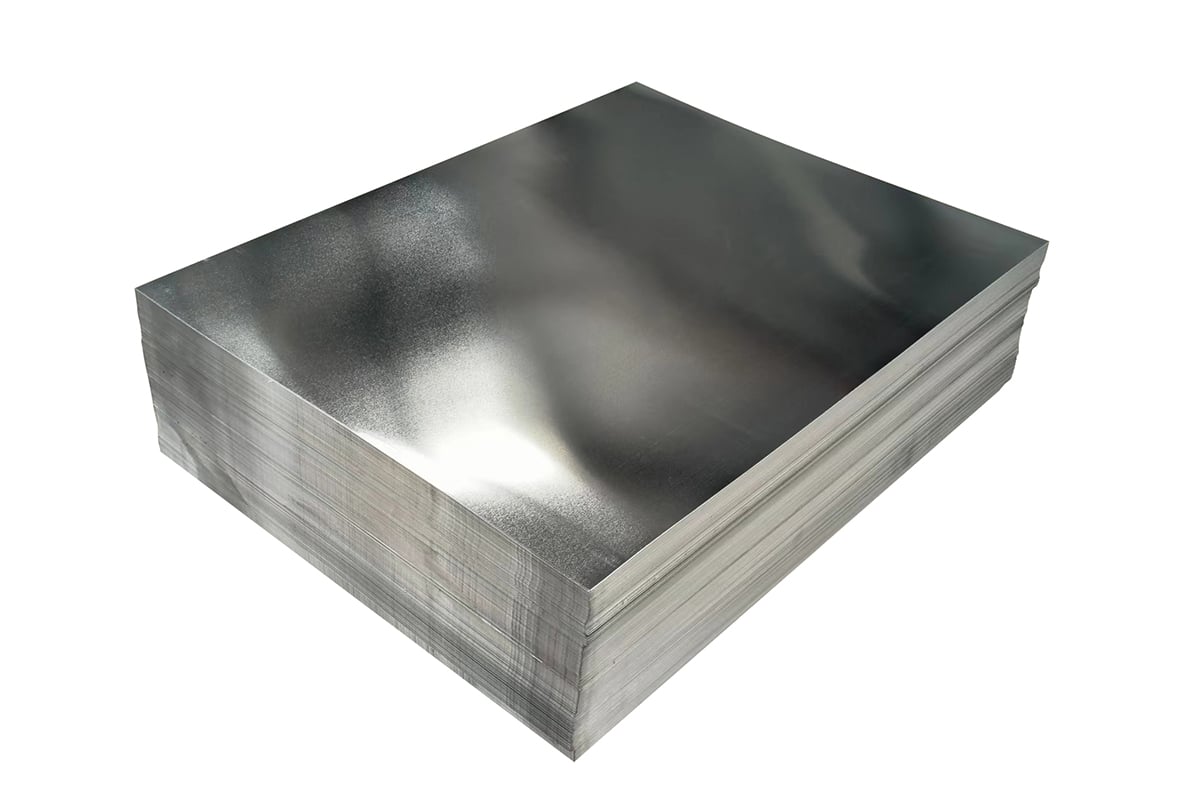
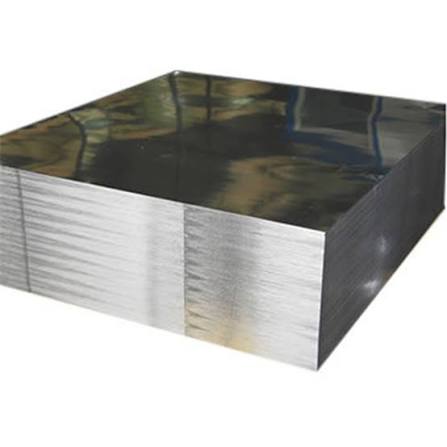
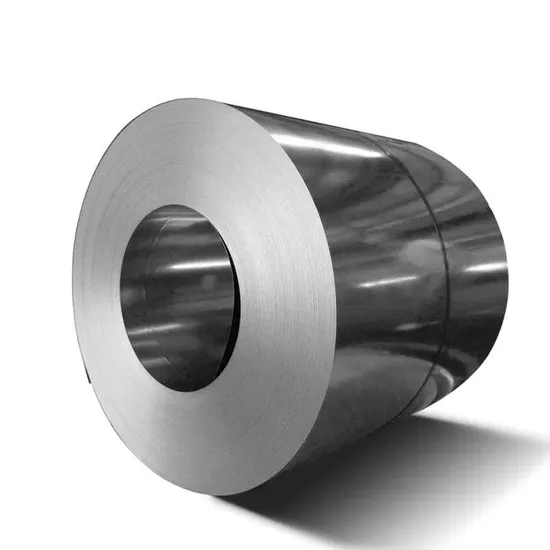
Tinplate sheet is a versatile material that has been widely used across various industries for its unique combination of properties. It is essentially a sheet of steel coated with a thin layer of tin on both sides. This article aims to provide an in-depth understanding of what a tinplate sheet is, its applications, and the benefits it offers.
Definition and Composition
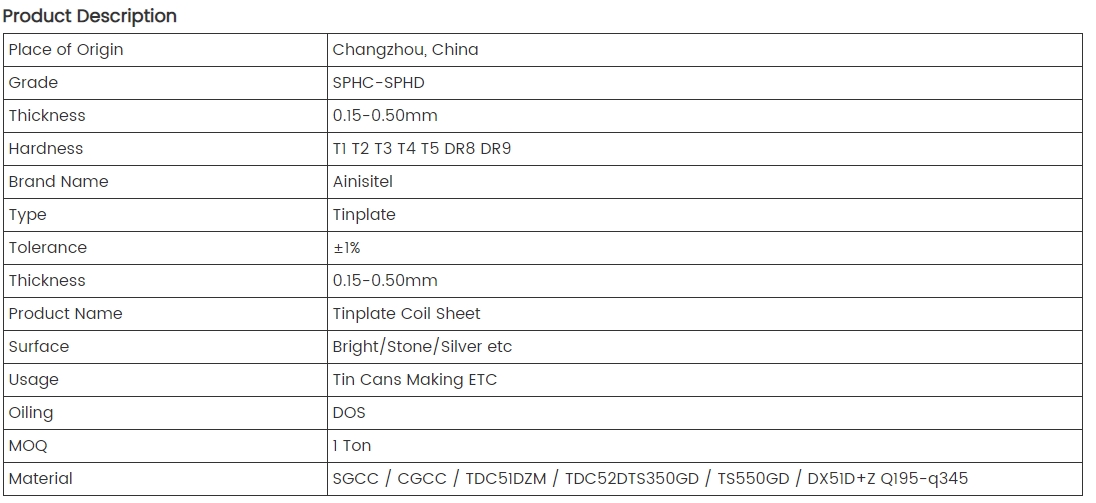
A tinplate sheet is a metal sheet that has been coated with tin, which is a silvery-white metal known for its non-toxic and corrosion-resistant properties. The process of creating tinplate involves electrolytically depositing a thin layer of tin onto cold-rolled steel sheets. The thickness of the tin coating can vary, but it is typically in the range of 0.4 to 2.5 microns.
Manufacturing Process
The production of tinplate involves several steps, including steel preparation, pickling, cold reduction, annealing, and finally, the application of the tin coating. The steel is first cleaned and pickled to remove any surface impurities. It is then cold-rolled to achieve the desired thickness and surface finish. The annealing process relieves internal stresses and improves the ductility of the steel. The final step is the electrolytic application of tin, which can be done using either the hot-dip or electro-tinning method.
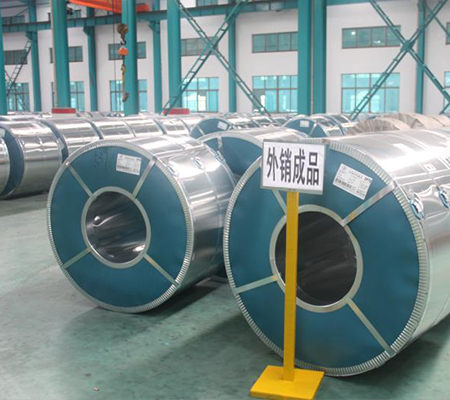
Properties and Benefits
Tinplate sheet offer a range of benefits that make them suitable for a variety of applications:
Corrosion Resistance: The tin coating provides a protective barrier against corrosion, making tinplate an excellent choice for products that will be exposed to moisture or corrosive environments.
Non-Toxicity: Tinplate is non-toxic, which is a critical factor for food packaging and storage applications.
Good Formability: The steel core of the tinplate ensures good formability, allowing it to be easily shaped and bent into various forms without breaking.
Aesthetic Appeal: The smooth, shiny surface of tinplate gives it an attractive appearance, making it suitable for decorative purposes.
Cost-Effectiveness: Compared to other metal sheets, tinplate offers a cost-effective solution without compromising on quality.
Applications
Tinplate sheets are used in a wide range of applications due to their properties:
Food and Beverage Cans: The primary use of tinplate is in the production of food and beverage cans, where it provides a safe and durable packaging solution.
Aerosol Cans: Tinplate is also used for the production of aerosol cans, offering a strong and corrosion-resistant container for various products.
Automotive Parts: Certain automotive parts, such as fuel tanks and oil pans, are made from tinplate due to its strength and resistance to corrosion.
Construction: Tinplate is used in roofing and cladding materials for its durability and resistance to weathering.
Art and Crafts: The attractive appearance of tinplate makes it a popular choice for various art and craft projects.
Environmental Impact
Tinplate is considered an environmentally friendly material due to its recyclability. Both the steel and tin can be recycled, reducing the environmental impact of production and disposal.
Tinplate sheets are an important material in modern industry, offering a combination of strength, corrosion resistance, and non-toxicity. Their wide range of applications, from food packaging to automotive parts, highlights their versatility and importance. As the demand for sustainable and recyclable materials grows, tinplate is likely to remain a key material in various sectors.




 Jul 19, 2024|
 View:38