

What is the use of electrolytic tinplate?
 Apr 28, 2025|
 View:2323
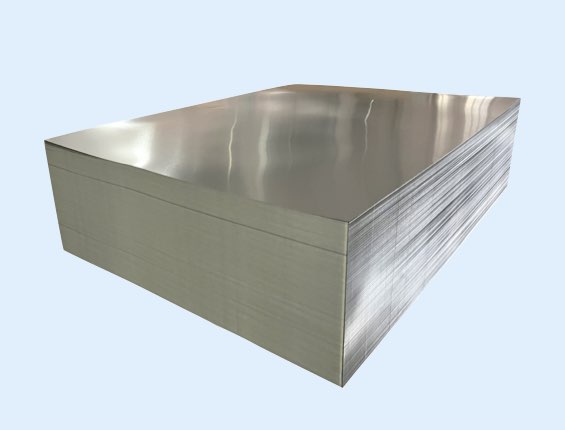
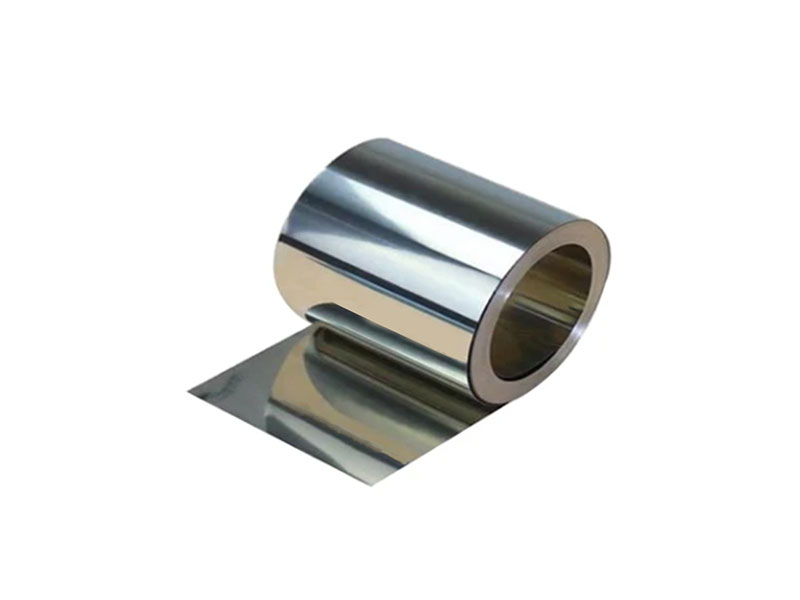
The Electrolytic Tinplate is a tin coated cold rolled steel in form a huge coil or sheet.It is created using the only the highest of quality tinmill products. This process improves both the steel's corrosion resistance and its mechanical properties,including a higher yield strength in comparison with traditional LEDP steels, thus contributing to the material's versatility indications.

Fundamental Properties of the Electrolytic Tinplate
The unique properties o f electrolytic tinplate are the result of the structure and composition that is: a steel base, a tin-iron alloy layer, a pure tin layer, an optional film and a film of oil. A number of advantages arise from this composition:
Anti-corrosion: The tin coating serves as a barrier between the steel and the environment that protects the steel from corrosion. This property is important for applications when the product has to survive under environmental exposure or contact with liquids—especially those which are corrosive.
Formability: Electrolytic tin plate has very good in for mability so it can be shaped into highly complicated forms without cracking or breaking. It's perfect for deep drawing, stamping, and bending.
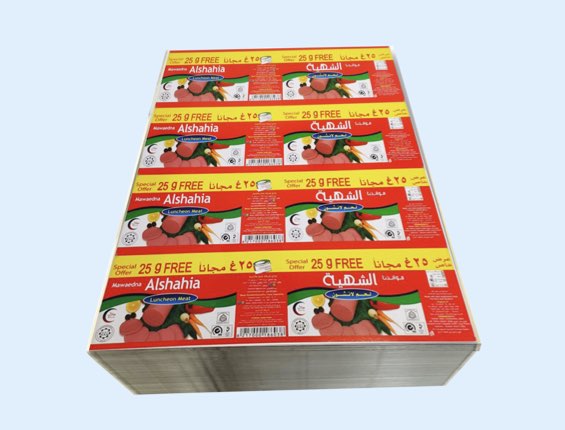
Printable and Visual Appeal: The smooth, reflective surface of tinplate has to be printed on after it has been plated and as such photographic printing process are used for the printing allowing for very detailed artwork and graphics suitable for very high end packaging. This increases product appeal and brand recognition, especially for consumer packaging.
Nonpoisonous and Food contact safe: The lacquer layer is nonpoisonous and food contact safe (following Japanese, Chinese and Indian government specifications and EU-directives). It is manufactured following strict safety regulations for the safety of the product and consumer.
What is the use of electrolytic tinplate?
Food and Beverage Packaging
Food or beverage cans, bottles or containers are currently manufactured from electrolytic tinplate. Its corrosion resistance maintains freshness and flavor of contents; its pliability permits tighter seals between component parts; and its formability affords revolutionary packaging designs appealing to both manufacturers and end users. Common applications include:

Canned Food Items: Many of the fruits, vegetables, meats and marine products are packed in tinplate containers because the latter can be subjected to sterilization and thereby protect the contents from spoilage.
Drink Cans: Tinplate beverage cans provide both lightweight protection and recyclability for products like sodas, beer, and energy drinks.
Aerosol Cans: Tinplate is used in deodorants, hair sprays and cleaners due to its ability to withstand pressure as well as seal hermetically.
Containers for Medicaments and Cosmetics
Hygienic, due to its being packed in disposable containers, in electrolytic tinplate It is suitable for pharmaceutical, cosmetics and personal care products. Its neutral character prevents it from reacting chemically and as a result it maintains the stability and the quality of the products that it preserves. Applications include:
Medicine bottle is tablet/ capsule/ointment aluminum tinplate container for the avoid of light and moisture.
Cosmetic Containers :Creams, lotions, cosmetics, powders, and make-up contain concealed in tinplate jars-keep these containers from drying out.
Industrial and Engineering Products
Mechanical Strength, Corrosion Resistance of Electrolytic Tinplate Utilised across a range of industry applications, electrolytic tinplate's, mechanical strength and corrosion resistance is used for:
Electrical: Electronic components printed circuit boards, connectors, and terminals use the metal because of its conductivity and ability to be soldered.
Automotive components -Engine and exhaust parts, fuel tanks are a few examples of parts that gain additional protection from tinplate due to the products heat resistance and corrosion resistance characteristics.
Building Products: Tinplate is used for roofing, cladding, and guttering materials due to its appearance and long service life.
Decorative and Creative Uses
The ease with which electrolytic tinplate can be worked, and its ability to take highly detailed printed ink designs, makes it an ideal medium for creative pursuits both whimsical and decorative:
Decorative Boxes: Jewelry, gift, and storage boxes display patterns ranging from intricate to simple and elegant finishes.
Artistic Sculptures: Utilized by artists for its malleable, emboss-able and etchable pattern surfaces as well as for its acid-etching capabilities.
Benefits for Environment and Sustainability
Electrolytic Tinplate is an environmentally friendly option that is 100-percent recyclable with no loss to the quality of the metal. Its high durability and biodegradation properties can prevent the generation of waste and consumption of resources. And with advances in production technologies, energy consumption and emissions have also been reduced in line with the trend towards global sustainability.
Future Prospects
With emphasis on sustainability, innovation and consumer safety by industries, the demand for electrolytic tinplate is estimated to witness a growing trend. Continued development in new lightweight alloys, improved corrosion resistance, and increased printability will continue to push the material into broader applications. The material properties are such that it can also be adapted to many processing methods, which we discuss next.
In conclusion, electrolytic tinplate stands as a testament to the synergy between metallurgy and engineering. Its unique properties and versatility make it an indispensable material across industries, from packaging to construction, and from electronics to art. As technology advances and environmental awareness deepens, electrolytic tinplate will undoubtedly remain at the forefront of material innovation.