

Tin Plated Steel: An Overview of Properties, Applications, and Market Trends
 Sep 26, 2024|
 View:20
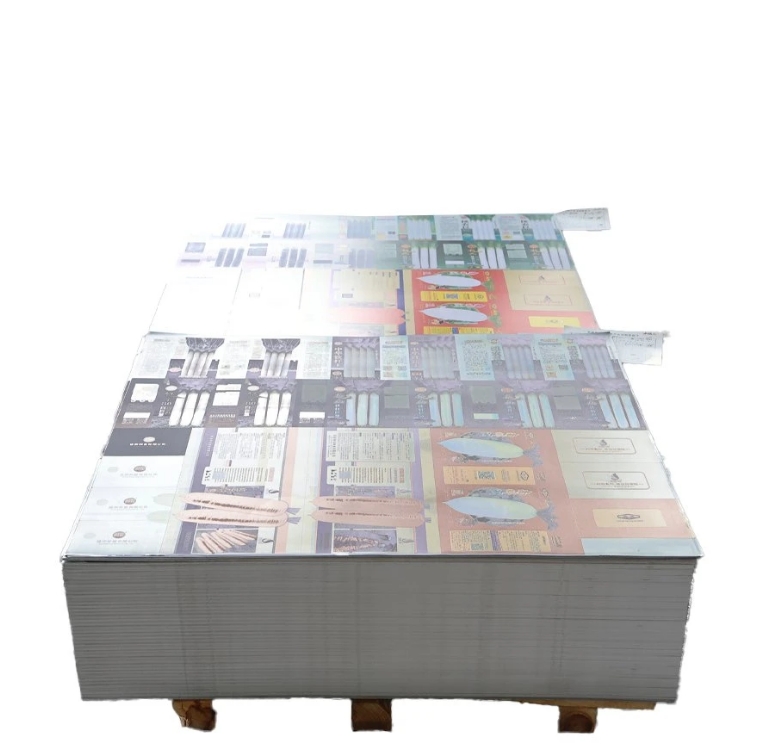
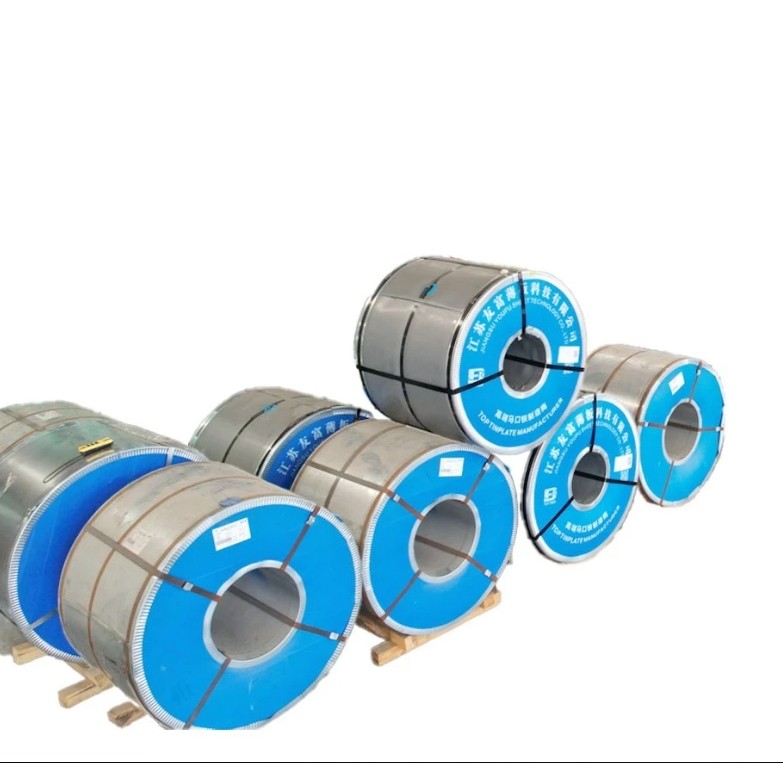
Tin plated steel, also known as tinplate, is a type of steel that has been coated with a thin layer of tin. This process enhances the steel's resistance to corrosion, improves its appearance, and makes it suitable for a variety of applications. In this article, we will explore the properties, manufacturing processes, applications, and market trends related to tin plated steel.
Properties of Tin Plated Steel
Tin plated steel combines the inherent strength of steel with the protective qualities of tin. Here are some of its key properties:
Corrosion Resistance: The tin coating protects the underlying steel from rust and corrosion. This makes tin plated steel ideal for applications where moisture and environmental exposure are concerns.
Non-Toxicity: Tin is non-toxic and safe for food contact, which is why tin plated steel is commonly used in food packaging.
Formability: Tinplate can be easily shaped and formed into various designs. This flexibility makes it suitable for manufacturing a wide range of products.
Weldability: The presence of tin allows for good weldability, enabling manufacturers to create complex structures and designs.
Aesthetic Appeal: Tin plated steel has a shiny and attractive finish, making it a popular choice for products where appearance is important.
Manufacturing Process
The production of tin plated steel involves several key steps:
Steel Substrate Preparation: The process begins with the selection of high-quality steel sheets, which are cleaned and prepared for coating.
Electrolytic Tinning: The most common method for applying tin involves electrolytic tinning. In this process, the steel sheets are immersed in a tin salt solution, and an electric current is applied. This causes tin ions to deposit onto the steel surface, forming a thin layer of tin.
Annealing: The coated steel is then heated in a controlled environment to improve its mechanical properties and enhance the adhesion of the tin layer.
Surface Finishing: The final step involves surface treatments to improve the appearance and performance of the tin plated steel. This may include polishing, coating, or other finishing techniques.
Applications of Tin Plated Steel
Tin plated steel is used in a wide variety of applications across different industries:
Food Packaging: One of the most significant uses of tinplate is in food packaging, such as cans for beverages, fruits, and vegetables. Its non-toxic nature and corrosion resistance make it ideal for preserving food.
Household Products: Tin plated steel is commonly used in the production of household items such as baking trays, cookware, and storage containers.
Automotive Industry: In the automotive sector, tinplate is used for components that require corrosion resistance, such as fuel tanks and other exposed parts.
Electronics: Tin plated steel is also utilized in the electronics industry for components that require solderability and corrosion resistance.
Construction: In construction, tin plated steel may be used for roofing materials and other applications where durability and aesthetic appeal are needed.
Market Trends
The market for tin plated steel has been evolving due to various factors:
Sustainability: With increasing awareness of environmental issues, there is a growing demand for sustainable packaging solutions. Tinplate, being recyclable, aligns well with this trend.
Technological Advancements: Innovations in coating technologies and manufacturing processes are improving the quality and performance of tin plated steel, making it more competitive in the market.
Global Demand: The demand for tin plated steel is growing in emerging markets, where urbanization and industrialization are driving the need for packaging and construction materials.
Price Fluctuations: The price of tin can be volatile, impacting the cost of tin plated steel. Manufacturers must stay informed about market conditions to adjust their pricing strategies accordingly.
Health and Safety Regulations: Stringent regulations regarding food safety and packaging materials are influencing the production and use of tin plated steel, particularly in the food and beverage industry.
Tin plated steel is a versatile material with a wide range of applications, particularly in food packaging and household products. Its unique properties, such as corrosion resistance and non-toxicity, make it an attractive choice for manufacturers. As market trends continue to evolve, tin plated steel is likely to remain a vital component in various industries, contributing to sustainability and innovation in product design. With ongoing advancements in technology and a growing emphasis on environmental responsibility, the future of tin plated steel looks promising.