

The Versatility of Steel Tin Sheets: An In-Depth Look
 Aug 14, 2024|
 View:22
Steel tin sheets are now widely used in many fields like building and food production. With the strength, durability and excellent performance to resist corrosion in demanding conditions, aluminium is one of the most widely used metal products for all variety of applications today. This article will take a closer look at steel sheet tins their properties, uses and benefits as well the in-service trends.
What Are Steel Tin Sheets?
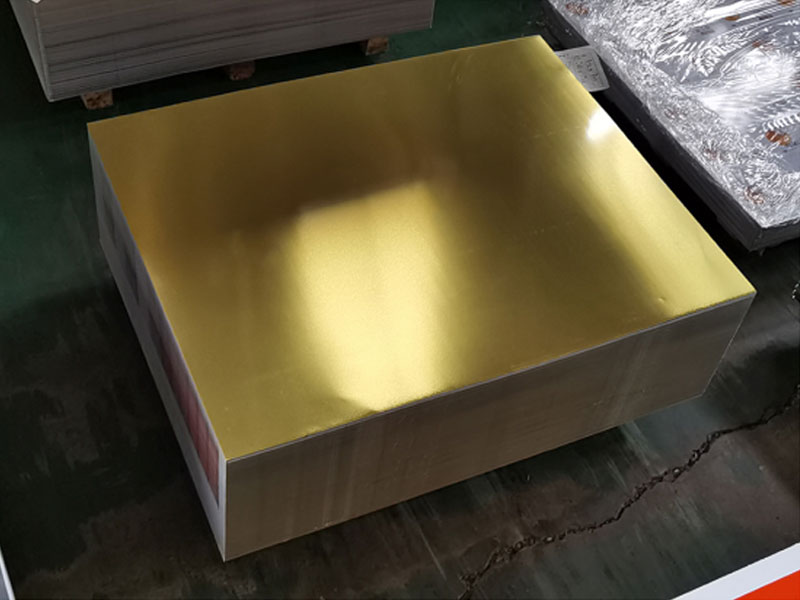
Steel Tin Sheets: These are flat pieces made from thin steel coated with tin The coating they apply has multiple uses: to create the finished layer which provides additional protection against corrosion, serves as a means of decoration for the product and improves workability when rolling out sheets. Typically cold-rolled or hot-rolled steel is used in these types of sheets, and they come in various thicknesses and grades to fit specific requirements.
Characteristics of Tin Steel Sheets
Rust Free Electroplating – This tin coating provides an exceptional defence from rust and deteriorations, essential for occasions when the material is revealed to wetness or otherwise ruthless environments.
Strength and endurance: Steel tin sheets are very strong which makes them usable in structural applications. It has a high load bearing strength and also helps in restraining deformation.
Lesser in weight: Steel tends to be a lot more lighter than the other material like aluminum or stainless steel, which makes it easier for handling and fitting.
Flexibility: These sheets are so pliant that one can cut, bend and shape it easily according to its uses in various industries.
Steel has a high degree of recyclability and is one of the most recycled materials in the world. These could be recycled and retain their properties, making it an eco-friendly option as well.
Uses of Steel Tin Sheets
1. Construction
Steel Metal tin sheets -Roofing/ Siding / wall panels Steel Sheets Dexion Home Building Materials and Supplies In the construction industry Their strength and ability to withstand weathering conditions renders them a wise option for both domestic buildings as well business ones. In addition, they are available with a multitude of finish options for added beauty.
2. Food Packaging
Application Of Stainless Steel Tin Sheets The most widely used applications in life are food packaging using steel tins. It is utilized for manufacturing tin cans of food products such as beverages, vegetables and other similar type. The reason is that the food gets contaminated and will not remain fresh over an extended period of time, which can lead to a decrease in its flavor otherwise for tin coating on it.
3. Automotive Industry
In the automotive industry, we use steel tin sheets to manufacture body panels and chassis components. They provide strength and are light weight which will help in adding to the fuel efficiency of a vehicle making it overall more performant.
4. Electronics
Steel tin sheets are used in electronics to produce cases and accessories for the devices. This makes the material a good choice for sensitive electronic components that need protection against electromagnetic interference (EMI).
5. Appliances
Steel is also used in the construction of storage space for household appliances like refrigerator, washing machines. The panels provide a layer of strength that leaves room for more appealing finishes to enhance the desirability.
Steel Tin Sheets Benefits
1. Cost-Effectiveness
Steel tin sheets are very cheap which is much low as compared to the other material. Their long life and low servicing needs help reduce total cost of ownership in many applications.
2. Easy Fabrication
Steel tin sheets are easy to fabricate, as they are malleable. They can be easily cut, punched or formed into any size and shape because of the degree that it is malleable which decreases labor costs as well quick production times
3. Aesthetic Appeal
Steel tin sheets can be coated in a variety of colors or finishes, to improve the product's aesthetic appeal. Consumer goods and architectural applications reap the greatest benefit from this versatility.
4. Safety Features
Its use as a coating for food packaging ensures the organic solution of containing harmful substances that may leach into our foods.
The Coming Trends in Steel Tin Sheets
The requirement of steel tin sheets is expected to increase as the industries grow further. Some emerging trends include:
1. Sustainable Practices
Manufacturers for steel tin sheets are increasingly concentrating on producing it through eco-friendly processes, in an attempt to serve consumer demand surging more towards sustainability. Even if printed brand-new, we make every effort to cut waste out of our products via the use of recycled materials and practices that limit energy consumption through production.
2. Advanced Coatings
All these factors force the continued development of advanced coatings to improve steel tin sheet properties. With the right coating, corrosion can be mitigated and life extended while adding features like antimicrobial.
3. Lightweight Innovations
The automotive and aerospace industries, for instance, are turning to light-weight materials so that they can reduce their fuel consumption. Advancements in steel tin sheet technology could mean there are even lighter possibilities whilst still being strong.
4. Smart Materials
This trend is the integration of smart technology into materials. Steel tin sheets of the future might sensor up or add other technologies to provide real time warnings on their health and condition.
Steel tin sheets have wide application ranges across various industries because of their unique qualities and properties. They have a countless number of applications ranging from construction to food packaging. Advancements in technology continue to improve and as sustainability becomes an important focus, we can only expect steel tin sheets for the roof of your home will become even better suited to satisfy a changing marketplace. The strength, durability and look of concrete are here to stay as a staple in the materials world.