


How to Choose the Right Tin Cans for Food Packaging
 Oct 12, 2026|
 View:9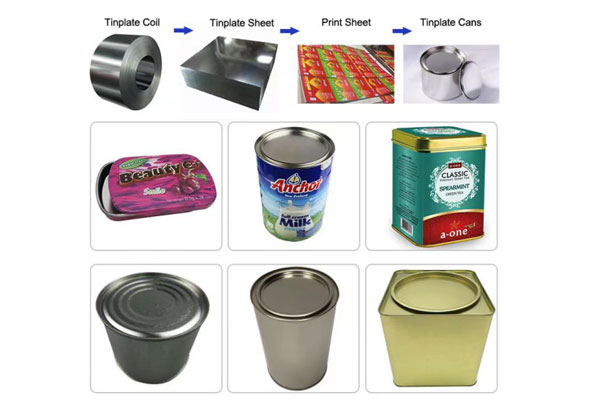
AINISITEL is a metal packaging manufacturer supplying tinplate materials, ETP/TFS processing, printing, coating, food cans, and related can components. With integrated material and processing services, in-house tinplate printing capabilities, and production-stage quality inspections, AINISITEL helps food packaging buyers evaluate metal packaging options for different product requirements. If you are sourcing tin food cans or working with a can-making partner, selecting the right material, internal protective system, dimensions, and closure is essential for packaging performance.
Food products vary in acidity, moisture, fat content, processing temperature, and storage conditions. Therefore, the best tin can is not simply the one with the lowest price or the thickest steel. It is the package whose material and construction are suitable for the specific food, processing method, and target market.
1. Identify the Type of Food You Need to Package
The first step in choosing tin cans for food packaging is to identify the product and how it will be processed, stored, and distributed. Different foods can interact differently with metal surfaces and protective coatings.
Common applications for metal food packaging include:
Fruit and vegetable cans: The internal coating must be suitable for the food's acidity and processing conditions.
Meat and fish cans: Material and coating selection should account for the product composition, thermal processing, and storage requirements.
Pet food cans: The package should be compatible with the formulation, filling process, and intended shelf life.
Dry food cans: Nuts, coffee, tea, biscuits, and similar products may require protection from moisture, oxygen, light, or aroma loss, depending on the product.
Ready-meal cans: The container and closure must be suitable for the product's filling and processing conditions.
These are application categories rather than interchangeable packaging specifications. Before selecting a can, provide the supplier with the exact food type, formulation characteristics, filling temperature, sterilization or pasteurization process if applicable, and intended storage conditions.
2. Choose a Suitable Metal Material
Material selection affects formability, corrosion resistance, coating adhesion, and manufacturing performance. For metal food packaging, two commonly discussed materials are electrolytic tinplate (ETP) and tin-free steel (TFS), also known as electrolytic chromium-coated steel (ECCS).
| Material | Key Considerations | What Buyers Should Confirm |
|---|---|---|
| ETP / Tinplate | Steel sheet coated with tin; widely used in metal packaging and can-making applications. | Grade, temper, thickness, tin coating, forming process, and internal lacquer compatibility. |
| TFS / ECCS | Steel with a chromium-based surface treatment; suitability depends on the can design and processing method. | Coating compatibility, joining method, forming requirements, and application-specific performance. |
ETP and TFS should not be treated as automatically interchangeable. The right material depends on the intended package structure, production process, food characteristics, and required protective coating.
When requesting a quotation from a tin can manufacturer, specify the required material if you already have an approved design. If you are developing a new package, ask the supplier to review the application and recommend options for technical evaluation.
3. Select the Right Internal Coating or Protective Layer
The internal protective system is a critical part of food can design. Depending on the material and package construction, the inside of a can may use a suitable lacquer or a laminated layer to help protect the metal and maintain compatibility with the packaged food.
There is no single coating that is suitable for every food. A coating appropriate for one product may not perform equally well with another, particularly when acidity, sulfur compounds, salt, fat, heat, or long storage periods are involved.
Questions to ask about food can coatings
Is the coating suitable for the exact food formulation and contact conditions?
Can it withstand the required filling, heating, sterilization, and cooling process?
What are the recommended curing and processing conditions?
Are relevant food-contact declarations and supporting test reports available?
Has the complete packaging system been evaluated for the intended application?
For acidic foods, products containing sulfur compounds, or foods processed at high temperatures, compatibility testing is especially important. Do not select a coating based only on its color or price. The food manufacturer and packaging supplier should confirm suitability using the relevant technical information and, where necessary, testing.
4. Determine the Correct Can Size and Structure
The can's dimensions and construction affect filling efficiency, product presentation, transport, storage, and compatibility with the production line. Choosing the right tin food cans therefore requires more than specifying a nominal capacity.
Consider the following factors:
Can diameter and height: Confirm the external and internal dimensions required by the design.
Net weight and fill volume: Allow for the product's density, liquid content, headspace, and filling process.
Can shape: Round, rectangular, and irregular shapes may be suitable for different products and branding needs.
Wall thickness and strength: Evaluate the required strength against stacking, handling, transport, and processing conditions.
Closure design: Select a compatible lid or end and confirm the sealing method.
Production-line compatibility: Verify that the package works with the filling, seaming, and handling equipment.
For an existing production line, provide the current can drawing, lid dimensions, and equipment requirements where possible. For a new package, discuss the required capacity, product weight, filling method, and intended use before finalizing the design.
5. Match the Lid and Sealing System to the Can
A suitable can body must be paired with a compatible closure. The lid or end, can body, sealing compound where applicable, and seaming process work together to create the intended package. Incorrect dimensions or an incompatible closure can cause sealing difficulties and may compromise package integrity.
When sourcing can lids or ends, confirm:
The exact diameter and specification of the can opening.
The material and thickness required for the closure.
Whether a standard lid, easy-open end, or another design is needed.
The compatible seaming or closing equipment.
Coating compatibility with the food and processing conditions.
Applicable sealing and inspection requirements.
For hermetically sealed canned foods, the package must be evaluated as a complete system. A lid's nominal size alone does not prove compatibility or guarantee a reliable seal. Confirm specifications and conduct appropriate line trials and validation before mass production.
6. Verify Food-Contact Requirements for Your Target Market
Food packaging requirements vary by destination market, food category, material, coating, and intended conditions of use. Buyers should identify the relevant regulatory framework before approving materials or placing a bulk order.
Ask the supplier for documentation that matches the specific material and product being purchased. Depending on the market and application, this may include:
Material specifications and technical data sheets.
Declarations relating to applicable food-contact requirements.
Relevant migration or other supporting test reports, where required.
Information about the coating or laminated layer used.
Traceability and batch identification information, where available.
Do not assume that a document for one material, coating, or product automatically covers every can design. Confirm that the evidence applies to the supplied product and its intended conditions of use. The food manufacturer or importer should also verify its own obligations in the destination market.
7. Evaluate Printing, Branding, and Surface Finish
Printed metal packaging can help food brands communicate product information and create a consistent visual identity. If your project requires customized tin cans for food packaging, review the available printing and finishing options before confirming the order.
Depending on the product and processing capabilities, customization may include:
Printed brand logos, product names, and graphics.
Custom colors and artwork layouts.
Different external coating or finishing options.
Custom dimensions or selected can shapes.
Matching lids and other packaging components.
Provide high-quality artwork files and confirm the printable area, color requirements, surface finish, and approval process. Request a sample or production proof when needed. Also verify that the chosen ink, coating, and material system are suitable for the intended food packaging application.
AINISITEL lists tinplate printing and coating among its services, allowing buyers to discuss material and surface-processing requirements alongside their can-related sourcing needs.
8. Compare Suppliers Before Placing a Bulk Order
Once you have defined the package requirements, compare suppliers using consistent technical and commercial criteria. This helps you assess the full value of an offer rather than selecting a supplier based on a single price figure.
| Evaluation Factor | Buyer Checklist |
|---|---|
| Product specifications | Material, thickness, dimensions, coating, lid compatibility, and tolerances. |
| Quality assurance | Inspection procedures, applicable tests, traceability, and nonconformance handling. |
| Food-contact documentation | Documents relevant to the exact material, coating, food, and target market. |
| Commercial terms | MOQ, unit price, sample cost, tooling cost, lead time, and payment terms. |
| Logistics | Export packaging, shipment terms, delivery destination, and transport arrangements. |
For a new packaging project, consider approving a sample and conducting suitable compatibility and production-line tests before committing to a large order. Agree on the final specification and acceptance criteria in writing.
9. Why Source Tin Food Packaging from AINISITEL?
AINISITEL supplies metal packaging materials and can-related products, including tinplate, TFS, printed and coated materials, food cans, and can lids. Its published service range brings together material processing and selected packaging products, giving buyers a practical starting point for discussing related requirements.
Material options: ETP/tinplate and TFS materials for applications that match their technical characteristics.
Printing and coating services: Options for buyers with defined surface-processing and branding requirements.
Can-related products: Food cans and lids listed in the company's product range.
Production-stage inspection: Quality checks are part of the company's described production process.
Project-specific discussions: Buyers can submit food type, dimensions, material preferences, and target order quantity for evaluation.
The appropriate packaging solution depends on the food product, filling and processing conditions, and target-market requirements. AINISITEL can discuss the relevant product options and specifications based on your project information.
Frequently Asked Questions
What are tin food cans made of?
Tin food cans commonly use steel-based packaging materials such as tinplate (ETP). Other materials, including TFS, may be suitable for specific designs and applications. Material selection depends on the can structure, coating system, manufacturing process, and food requirements.
How do I choose the right tin can for acidic food?
Evaluate the food's acidity and formulation, processing temperature, storage conditions, and intended shelf life. The material and internal coating should be assessed for compatibility with the specific food. Consult your packaging supplier and carry out appropriate validation where necessary.
Can tin cans be customized for food brands?
Depending on the supplier's capabilities, customization may include can dimensions, shape, printing, coating, and compatible lids. Confirm artwork requirements, available specifications, sample approval, and MOQ before placing an order.
What should I provide when requesting a quotation for tin food cans?
Share the food type, required dimensions or capacity, material preference, internal coating requirements, closure type, estimated quantity, destination market, and any technical drawings or samples. Include processing conditions if the package will undergo heating or sterilization.
What documents should I request from a food can supplier?
Request the relevant material specifications, food-contact declarations, supporting test reports where applicable, and product-specific technical information. Verify that the documentation covers the supplied material and intended conditions of use in your target market.
Request a Tin Food Can Solution for Your Project
Choosing the right tin cans for food packaging requires a coordinated evaluation of food compatibility, metal material, internal coating, dimensions, closure performance, and regulatory documentation. A clear specification helps you compare suppliers and reduce avoidable problems before bulk production.
AINISITEL welcomes inquiries from food processors, packaging manufacturers, distributors, and importers seeking tinplate materials, food cans, lids, and related processing services. Send your application details and purchasing requirements to start a product discussion.