


Understanding Tinplate and Its Essential Role in Modern Packaging
 Mar 25, 2026|
 View:82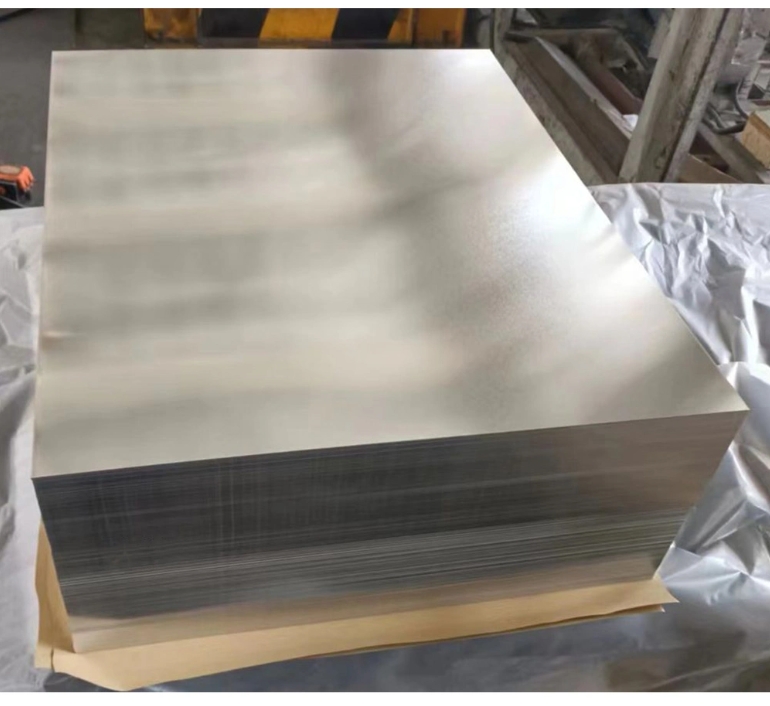
When you open a can of tomatoes, reach for a paint can, or unbox a premium chocolate gift, you are interacting with a material that has quietly shaped modern industry for over a century. That material is tinplate. While it may seem like a simple metal, tinplate is a sophisticated, high-performance packaging solution that combines the strength of steel with the corrosion resistance of tin.
For manufacturers, designers, and procurement specialists, understanding what tinplate is, its specific forms, and its varied applications is crucial for product integrity and brand presentation. This guide will explore the world of tinplate, breaking down its uses, benefits, and why it remains the gold standard for packaging across multiple industries.
Key Takeaways
Definition: Tinplate is thin, cold-rolled steel coated with a layer of tin, offering strength, formability, and corrosion resistance.
Forms: It is available in multiple formats, including tinplate coil, tinplate sheet, and printing tinplate sheet for decorative applications.
Applications: Tinplate is used extensively in food packaging, aerosol cans, paint containers, and premium gift boxes.
Sourcing: Partnering with specialized tinplate sheet distributors ensures material consistency, quality control, and supply chain efficiency.
What Is Tinplate? A Closer Look at the Material
At its core, tinplate is a composite material. It begins as a low-carbon, cold-rolled steel substrate, which provides the structural strength and rigidity needed for packaging. This steel is then coated through an electrolytic process with a thin layer of pure tin.
This combination yields a material that is:
Strong: It can withstand the pressures of filling, stacking, and shipping.
Ductile: It can be formed into complex shapes without cracking.
Corrosion-Resistant: The tin layer protects the steel from rust and prevents interactions between the package and its contents.
In the industry, you will encounter this material in various forms. The raw material often arrives as a tinplate steel coil, which is a large roll of the material used for high-speed, automated production lines. These coils are then cut into tinplate sheet formats, which are flat pieces ideal for lithographic printing or smaller-scale manufacturing.
The Four Core Forms of Tinplate
To effectively utilize this material, it is essential to understand the different forms available. Each form serves a specific purpose in the manufacturing and packaging process. The table below outlines the primary types and their key characteristics.
| Form | Description | Best For |
|---|---|---|
| Tinplate Coil | Continuous rolls of tin-coated steel, typically referred to as tinplate steel coil. | High-speed, automated can-making and mass production lines requiring consistent, uninterrupted material flow. |
| Tinplate Sheet | Pre-cut, flat pieces of tinplate, also known as tinplate sheet or Tinplate Coil Sheet. | Sheet-fed printing presses, smaller production runs, and applications where precise, individual sheets are needed. |
| Printing Tinplate Sheet | Tinplate sheets that have undergone a lithographic printing process to apply high-quality graphics, logos, and text. | Decorative packaging for consumer goods like cookies, tea, confectionery, and high-end gifts where branding is critical. |
| Tin Free Steel (TFS) | An alternative to tinplate, made with a thin layer of chromium and chromium oxide. | Applications requiring excellent paint adhesion, such as bottle crowns, deep-drawn cans, and easy-open ends. |
What Is Tinplate Used For? A Look at Key Industries
The versatility of tinplate allows it to serve a wide range of industries. Its primary function is containment and protection, but it also plays a vital role in product presentation.
1. Food and Beverage Packaging
This is the most traditional and dominant application for tinplate. The material’s non-toxic nature and excellent sealing capabilities make it ideal for preserving food.
Canned Goods: From fish and fruits to tomato sauce and powdered milk, tinplate provides an airtight barrier that protects against light, oxygen, and microorganisms, ensuring a long shelf life without refrigeration.
Beverage Cans: While aluminum is common for sodas, tinplate is still widely used for specialized beverage containers, including premium beer cans and juice concentrates.
2. Aerosol and Paint Containers
The structural integrity of tinplate steel coil is essential for pressurized applications.
Paint Cans: The strength of tinplate prevents bulging and maintains a seal during the mixing and application process. It is the standard for paints, varnishes, and coatings.
Aerosol Bottles: Starting from small 80ml sizes, tinplate is formed into aerosol cans for products ranging from household sprays to industrial lubricants, offering both safety and durability.
3. Premium and Promotional Packaging
Here, form meets function. The aesthetic quality of printing tinplate sheet is leveraged to create high-value packaging.
Gift Boxes: Chocolate, tea, and cosmetic brands use printed tinplate boxes because they offer superior protection and an elevated, premium feel that plastic or cardboard cannot match. The metal texture adds a sense of luxury and permanence, often encouraging customers to reuse the container long after the product is gone.
How to Choose the Right Tinplate Distributor
Sourcing tinplate is not merely a transactional purchase; it is a partnership that impacts your production efficiency and final product quality. When evaluating tinplate sheet distributors, consider these key factors:
Quality Control: Reliable distributors ensure each batch meets strict specifications for thickness, temper, and tin coating weight.
Supply Chain Consistency: A stable partner guarantees on-time delivery, preventing costly production line stoppages.
Technical Expertise: Suppliers with deep industry experience can provide expert recommendations on which grade or form—such as tinplate coil for high-speed lines or printing tinplate sheet for decorative runs—best suits your specific application.
For over 30 years, Ainisitel has embodied these principles, operating its own precision printing factory and implementing rigorous quality control at every stage. This integrated approach ensures that whether you need raw tinplate steel coil or fully printed sheets, you receive a product that maintains finish integrity and meets exact specifications. Their team provides transport tracking pictures and production updates, ensuring transparency from order to delivery.
Conclusion
Tinplate is far more than just a metal sheet. It is a highly engineered packaging material that delivers strength, safety, and aesthetic appeal. From the tinplate sheet that forms a simple paint can to the intricate printing tinplate sheet that houses luxury chocolates, this material remains indispensable.
Understanding the distinctions between tinplate coil, sheets, and printed formats allows you to select the optimal material for your production method and product goals. By partnering with experienced tinplate sheet distributors like Ainisitel, manufacturers can ensure they receive consistent, high-quality materials that protect their products and elevate their brand.
Frequently Asked Questions (FAQ)
Q: What is the difference between tinplate sheet and tinplate coil?
A: The difference lies in the form. Tinplate coil is a continuous roll of material used for high-speed automated production, while a tinplate sheet is a flat, pre-cut piece used for printing or smaller manufacturing runs. Both are essentially the same material but are processed differently.
Q: Is tinplate the same as "tin" metal?
A: No. While the name "tinplate" includes the word tin, the material is primarily steel. It gets its name from the thin, protective layer of tin that is applied to the steel substrate to prevent rust and corrosion.
Q: Can I print directly on a tinplate sheet?
A: Yes. A printing tinplate sheet refers to a tinplate sheet that has undergone a specialized lithographic printing process. This allows for high-quality, durable graphics that are resistant to scratching and wear, making it ideal for premium packaging like gift boxes.
Q: Where can I find reliable tinplate sheet distributors for my business?
A: When looking for distributors, prioritize those with a proven track record in quality control and supply chain management. Companies like Ainisitel, with their own printing facilities and over 30 years of industry experience, offer the reliability and technical expertise needed to ensure your packaging materials meet your exact requirements.