


What Is Electrolytic Tinplate Sheet?
 Feb 04, 2026|
 View:69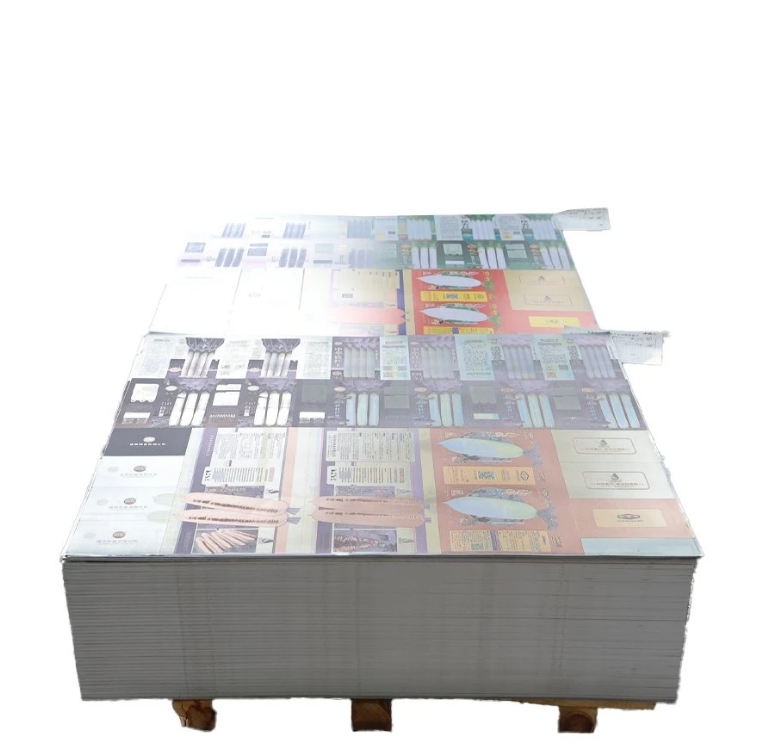
If you are involved in packaging, metal processing, food containers, or industrial manufacturing, chances are you have already encountered electrolytic tinplate sheet—even if you didn’t realize it at first.
From food cans and beverage containers to aerosol packaging and industrial components, electrolytic tinplate sheet plays a quiet but essential role. It combines the strength of steel with the corrosion resistance and safety of tin, making it one of the most trusted materials in modern packaging and manufacturing.
But what exactly is electrolytic tinplate sheet?
How is it made?
What specifications really matter when choosing it?
And how can buyers ensure they are selecting a reliable, compliant product?
This guide answers all of those questions in a clear, practical, and easy-to-understand way, while maintaining professional accuracy. Whether you are a procurement manager, engineer, or product developer, this article will help you make informed decisions with confidence.
Key Takeaways
Electrolytic tinplate sheet is a cold-rolled steel sheet coated with tin using an electrolytic process
It offers excellent corrosion resistance, formability, solderability, and food safety
Widely used in food cans, beverage packaging, aerosol cans, closures, and industrial applications
Tin coating thickness, steel grade, and surface finish directly affect performance
Choosing a reliable manufacturer ensures consistent quality, compliance, and long-term value
What Is Electrolytic Tinplate Sheet?
Electrolytic tinplate sheet is a thin steel sheet coated on one or both sides with a controlled layer of pure tin through an electrolytic deposition process.
Unlike traditional hot-dip tinplate, electrolytic tinplate sheet allows for:
Precise control of tin coating thickness
Uniform surface appearance
Better material efficiency
Improved performance in demanding applications
The steel substrate provides mechanical strength, while the tin layer acts as a protective barrier against corrosion and contamination.
How Electrolytic Tinplate Sheet Is Manufactured
Understanding the production process helps buyers evaluate quality more accurately.
1. Cold-Rolled Steel Preparation
High-quality low-carbon steel is cold rolled to achieve precise thickness, smoothness, and strength.
2. Electrolytic Tin Coating
The steel strip passes through an electrolytic bath where tin ions are deposited evenly on the surface using an electric current.
3. Reflow Treatment
The tin coating is briefly melted and solidified to improve adhesion, brightness, and corrosion resistance.
4. Surface Passivation & Oiling
A thin passivation layer enhances durability, followed by light oiling to protect the sheet during storage and forming.
Key Properties of Electrolytic Tinplate Sheet
Electrolytic tinplate sheet is valued because it balances performance, safety, and cost efficiency.
Corrosion Resistance
Tin forms a stable protective layer, preventing rust and extending product lifespan—especially important for food and beverage packaging.
Excellent Formability
The material can be deep drawn, stamped, and shaped without cracking, making it ideal for complex containers.
Food Safety & Hygiene
Tin is non-toxic and widely approved for food-contact applications when manufactured to proper standards.
Strong Adhesion & Coating Uniformity
Electrolytic coating ensures consistent tin thickness across the entire sheet.
Common Specifications of Electrolytic Tinplate Sheet
Below is a typical specification range used across the industry:
| Parameter | Typical Range |
|---|---|
| Base Steel Thickness | 0.15 mm – 0.50 mm |
| Tin Coating Weight | 1.0 – 11.2 g/m² (per side) |
| Temper Grades | T1 – T5 |
| Surface Finish | Bright, Stone, Silver |
| Coating Type | Equal or Differential |
| Standard Compliance | ASTM, EN, JIS equivalents |
Note: Actual specifications should always be selected based on application requirements.
Surface Finishes Explained
Different applications demand different surface finishes:
Bright Finish – Smooth and glossy, ideal for printed packaging
Stone Finish – Matte appearance, reduces glare
Silver Finish – Balanced look with good coating adhesion
Choosing the right finish improves both performance and visual appeal.
Where Electrolytic Tinplate Sheet Is Used
Food & Beverage Packaging
Cans for vegetables, fruits, meats, dairy products, and beverages rely heavily on electrolytic tinplate sheet for safety and shelf life.
Aerosol Cans
High internal pressure resistance and corrosion protection make it a preferred material.
Closures & Lids
Jar lids, bottle caps, and metal closures benefit from its formability and sealing performance.
Industrial & Chemical Containers
Used where controlled corrosion resistance and structural integrity are required.
How to Choose the Right Electrolytic Tinplate Sheet
When selecting electrolytic tinplate sheet, buyers should focus on:
Tin coating weight (affects corrosion resistance)
Steel temper (affects strength and formability)
Surface finish (affects printing and appearance)
Application environment (food, chemical, industrial)
Manufacturer reliability and quality control
This is where working with an experienced manufacturer makes a real difference.
Natural Brand Introduction
Changzhou Ainisitel Metal Products Co., Ltd specializes in supplying high-quality electrolytic tinplate sheet for global customers. With a focus on stable material performance, controlled specifications, and application-oriented solutions, Ainisitel supports clients across food packaging, industrial containers, and metal forming industries.
By offering a comprehensive range of electrolytic tinplate sheet options, the company helps buyers match the right material to the right application—without unnecessary complexity.
Why Quality Control Matters
Even small variations in tin coating or steel temper can affect:
Corrosion resistance
Sealing performance
Forming stability
Product shelf life
Reliable suppliers implement strict inspection, coating control, and surface consistency checks to ensure each electrolytic tinplate sheet meets professional standards.
FAQ: Electrolytic Tinplate Sheet
What is electrolytic tinplate sheet mainly used for?
It is mainly used for food cans, beverage containers, aerosol cans, closures, and industrial packaging.
Is electrolytic tinplate sheet safe for food contact?
Yes. When produced according to industry standards, electrolytic tinplate sheet is widely approved for food packaging.
How thick is electrolytic tinplate sheet?
Typical thickness ranges from 0.15 mm to 0.50 mm, depending on application needs.
What is the difference between equal and differential coating?
Equal coating applies the same tin thickness on both sides, while differential coating uses different tin weights for inner and outer surfaces.
How do I choose the right tin coating weight?
Higher corrosion exposure and longer shelf life generally require heavier tin coatings.
Conclusion
Understanding what electrolytic tinplate sheet is—and how it performs—empowers buyers to make smarter, safer, and more cost-effective decisions. With its balance of strength, corrosion resistance, and food safety, electrolytic tinplate sheet remains a cornerstone material across multiple industries.
Partnering with an experienced supplier like Changzhou Ainisitel Metal Products Co., Ltd ensures not only material compliance, but long-term reliability and application success.
Recommended Products
Electrolytic Tinplate
Electrolytic Printed Tinplate Sheet Metal
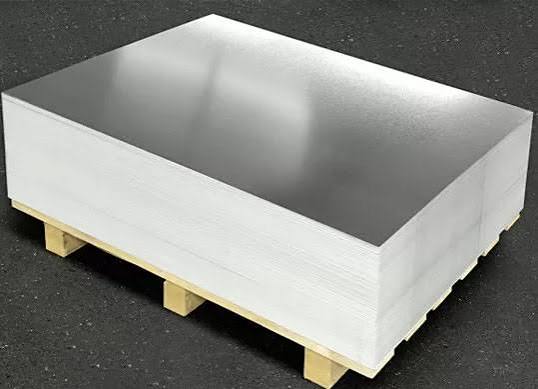
Electrolytic Tin Plate
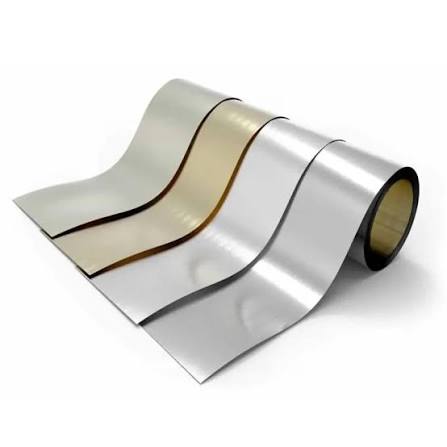
Corrosion Resistance Tinplate Electrolytic Tinplate Sheet 0.2mm Thickness SPTE TFS
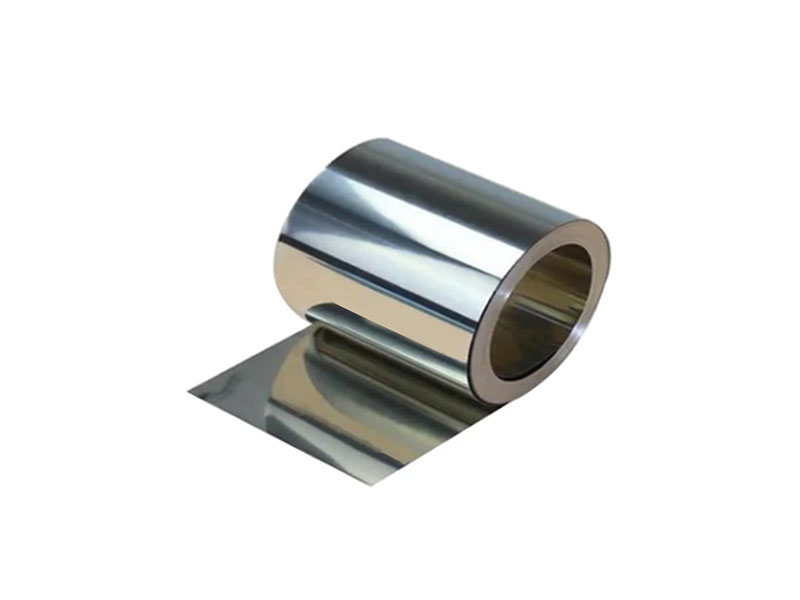
0.2mm Electrolytic Tinplate Coil for Packaging
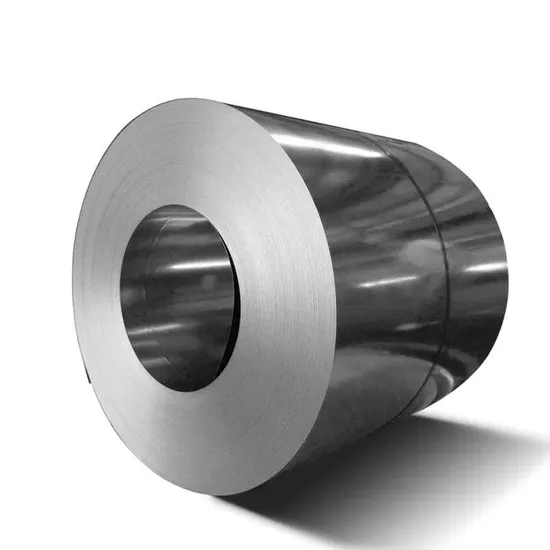
Steel Plate Tin Electric (SPTE)
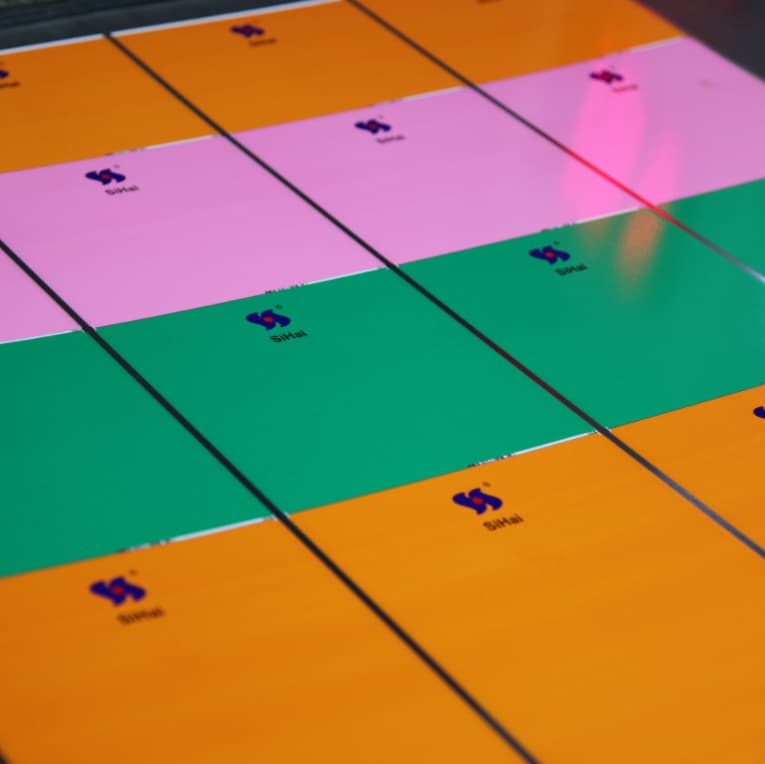
850mmX560mm 0.23 T3 Electrolytic Tinplate Strips SPTE/TFS
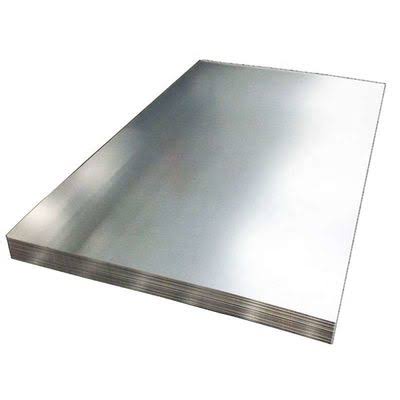
Alkali Resistance Acid Resistance Food Grade SPCC MR Plated Rolled Tin Sheet tinplate
Recent News
1.Top 10 Metal Lid Suppliers in Germany 2025
2025-09-042.How Is Tinplate Different from Galvanized Steel?
2025-11-233.What is a tin plate used for?
2025-10-244.Tin Plated Steel: An Overview of Properties, Applications, and Market Trends
2024-09-265.What is the use of electrolytic tinplate?
2025-04-286.What size are easy open ends?
2025-06-25