

How Is Tinplate Different from Galvanized Steel?
 Nov 23, 2025|
 View:28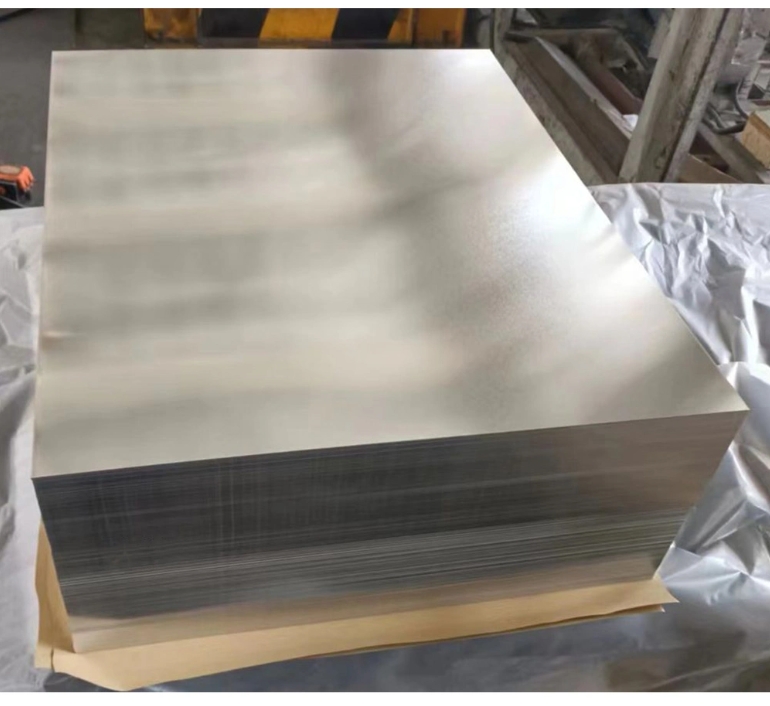
When it comes to corrosion-resistant steel materials, steel tinplate and galvanized steel are often mentioned in the same conversation. At first glance, they may seem similar—both are steel products coated with another metal to prevent rust. But look a little closer, and you’ll discover they are designed for very different purposes, industries, and performance requirements.
So, how is tinplate different from galvanized steel? The answer lies in their coating materials, manufacturing processes, properties, applications, and even how they interact with food, chemicals, and the environment.
Understanding the Basics of Steel Tinplate and Galvanized Steel
What Is Steel Tinplate?
Steel tinplate is a thin sheet of low-carbon steel coated with a very fine layer of tin. This tin coating provides corrosion resistance, a smooth surface, and excellent compatibility with food and sensitive products.
Tinplate combines the mechanical strength of steel with the non-toxic, protective qualities of tin. That’s why it’s widely used in food packaging, beverage containers, and decorative consumer goods.
What Is Galvanized Steel?
Galvanized steel is steel coated with zinc. The zinc layer protects the underlying steel by acting as a sacrificial barrier—meaning the zinc corrodes first, protecting the steel underneath.
This type of steel is commonly used in construction, automotive parts, outdoor structures, and industrial applications where durability and weather resistance are critical.
Core Difference Between Tinplate and Galvanized Steel
Coating Material: Tin vs Zinc
The most fundamental difference lies in the coating:
Steel tinplate is coated with tin
Galvanized steel is coated with zinc
Tin is chemically stable and food-safe, while zinc is highly reactive and offers strong corrosion protection in harsh environments.
Purpose of the Coating
Tin coatings are designed to:
Prevent corrosion
Be non-toxic
Provide a smooth, printable surface
Zinc coatings are designed to:
Protect steel from rust
Sacrifice themselves in corrosive environments
Perform well outdoors
This difference in purpose explains why these materials are rarely interchangeable.
Manufacturing Process Comparison
How Steel Tinplate Is Manufactured
Steel tinplate is typically produced using electrolytic tinning, where a very thin, controlled layer of tin is deposited onto the steel surface. This allows precise control of coating thickness and surface quality.
The result is a clean, smooth, and uniform finish—ideal for packaging and decorative uses.
How Galvanized Steel Is Manufactured
Galvanized steel is most commonly made using hot-dip galvanizing, where steel is submerged in molten zinc. This creates a thicker, rougher coating that bonds strongly to the steel.
Electro-galvanizing is another method, producing a thinner and smoother zinc layer, but still thicker than tinplate coatings.
Surface Appearance and Finish
Surface Characteristics of Steel Tinplate
Steel tinplate has:
A smooth, shiny surface
Excellent printability
A clean, refined appearance
This makes it ideal for branding, labeling, and decorative packaging.
Surface Characteristics of Galvanized Steel
Galvanized steel typically has:
A matte or spangled finish
A rougher texture
A more industrial appearance
It’s functional rather than decorative and not ideal for detailed printing.
Corrosion Resistance: How They Protect Steel Differently
Corrosion Protection in Steel Tinplate
Tin acts as a barrier coating. As long as the tin layer remains intact, it prevents moisture and oxygen from reaching the steel.
However, if the tin layer is damaged, the exposed steel can corrode relatively quickly.
Corrosion Protection in Galvanized Steel
Zinc provides sacrificial protection. Even if the surface is scratched, the zinc corrodes first, protecting the steel underneath.
This makes galvanized steel more suitable for outdoor and harsh environments.
Food Safety and Chemical Compatibility
Why Steel Tinplate Is Used for Food Packaging
Steel tinplate is:
Non-toxic
Chemically stable
Resistant to food acids (with proper lacquer)
That’s why it’s the standard material for food cans, beverage containers, and pharmaceutical packaging.
Why Galvanized Steel Is Not Food-Safe
Zinc can react with acidic foods and release compounds that are unsafe for consumption. For this reason, galvanized steel is generally not used in food-contact applications.
Mechanical Properties and Strength
Strength of Steel Tinplate
Steel tinplate is:
Thin and lightweight
Easy to form, stamp, and draw
Ideal for precision manufacturing
It prioritizes formability over heavy-duty strength.
Strength of Galvanized Steel
Galvanized steel is:
Thicker and more robust
Highly durable
Resistant to mechanical damage
It’s built for structural and load-bearing applications.
Typical Applications of Steel Tinplate
Food and Beverage Packaging
The most common use of steel tinplate is in:
Canned foods
Beverage cans
Pet food containers
Consumer and Decorative Products
Tinplate is widely used for:
Decorative tins
Gift boxes
Promotional packaging
Printed containers
Pharmaceutical and Medical Packaging
Its clean surface and corrosion resistance make it ideal for:
Medicine tins
Ointment containers
Medical storage packaging
Typical Applications of Galvanized Steel
Construction and Infrastructure
Galvanized steel is commonly used in:
Roofing sheets
Structural beams
Fencing
Guardrails
Automotive and Transportation
You’ll find galvanized steel in:
Car body panels
Chassis components
Underbody protection parts
Outdoor and Industrial Equipment
Its durability makes it ideal for:
Electrical enclosures
Agricultural equipment
Storage tanks
Environmental Impact and Sustainability
Recyclability of Steel Tinplate
Steel tinplate is highly recyclable. Both steel and tin can be recovered and reused without loss of quality.
It’s considered a sustainable packaging material, especially compared to plastics.
Recyclability of Galvanized Steel
Galvanized steel is also recyclable, though the zinc must be separated during recycling.
Both materials support circular economy principles, but tinplate often has a lower environmental footprint in packaging applications.
Cost Comparison Between Steel Tinplate and Galvanized Steel
Material Cost Differences
Steel tinplate generally costs more per ton due to precision coating and finishing.
Galvanized steel is more cost-effective for large structural applications.
Cost Efficiency by Application
Tinplate is cost-efficient for mass-produced packaging.
Galvanized steel is cost-efficient for long-life structural use.
Choosing the wrong material often leads to higher long-term costs.
Durability and Lifespan
Lifespan of Steel Tinplate
Tinplate offers excellent performance in controlled environments. With proper coatings, it can last for years in packaging applications.
Lifespan of Galvanized Steel
Galvanized steel can last decades outdoors, especially in mild to moderate climates.
Key Advantages of Steel Tinplate
Food-safe and non-toxic
Smooth, printable surface
Excellent formability
Ideal for packaging and branding
Key Advantages of Galvanized Steel
Superior outdoor corrosion resistance
Self-protecting zinc coating
High mechanical strength
Long service life in harsh environments
Limitations of Steel Tinplate
Less durable outdoors
Susceptible to corrosion if coating is damaged
Not designed for heavy structural loads
Limitations of Galvanized Steel
Not suitable for food contact
Rougher surface finish
Limited printability
How to Choose Between Steel Tinplate and Galvanized Steel
Choose Steel Tinplate If You Need:
Food-safe material
Decorative or printed packaging
Lightweight, formable steel
Consumer or pharmaceutical applications
Choose Galvanized Steel If You Need:
Outdoor durability
Structural strength
Long-term corrosion resistance
Industrial or construction use
Common Misconceptions About Tinplate and Galvanized Steel
They Are Not Interchangeable
Despite both being coated steels, steel tinplate and galvanized steel serve entirely different purposes.
Thicker Coating Doesn’t Mean Better for All Uses
A thicker zinc coating doesn’t make galvanized steel suitable for food, just as tinplate isn’t meant for outdoor construction.
Future Trends in Coated Steel Materials
Growth of Sustainable Packaging
Steel tinplate is expected to see increased demand as industries move away from plastic packaging.
Advanced Coating Technologies
Improved coatings are extending durability and expanding use cases for both materials.
Conclusion: Steel Tinplate vs Galvanized Steel—Know the Difference
So, how is tinplate different from galvanized steel? The difference goes far beyond appearance. Steel tinplate is designed for cleanliness, safety, and precision, making it ideal for packaging and consumer goods. Galvanized steel is built for strength, durability, and outdoor protection.
Choosing the right material isn’t about which one is “better”—it’s about which one is right for your application. When you understand their differences, you reduce costs, improve performance, and ensure long-term success.
Recommended Products
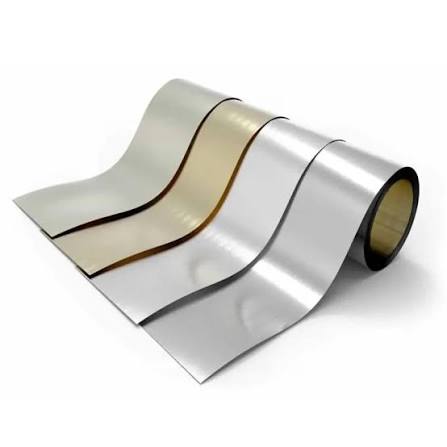
Corrosion Resistance Tinplate Electrolytic Tinplate Sheet 0.2mm Thickness SPTE TFS
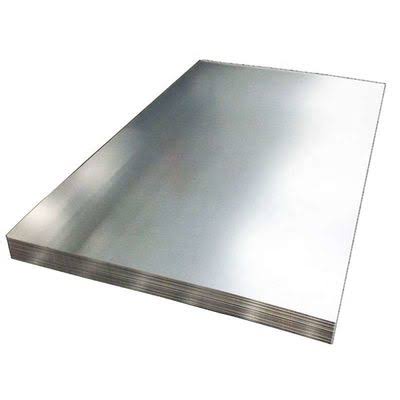
Alkali Resistance Acid Resistance Food Grade SPCC MR Plated Rolled Tin Sheet tinplate
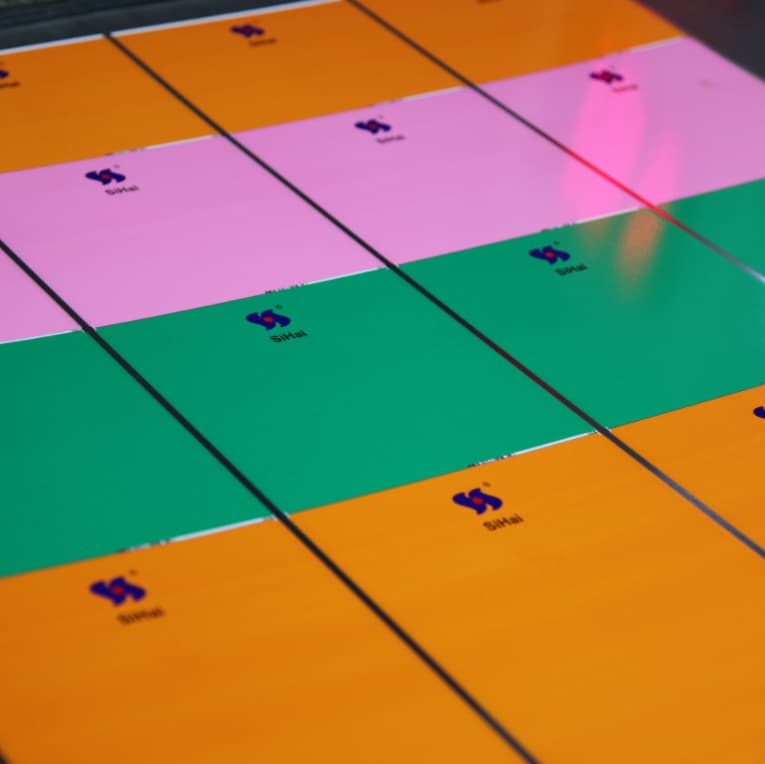
850mmX560mm 0.23 T3 Electrolytic Tinplate Strips SPTE/TFS
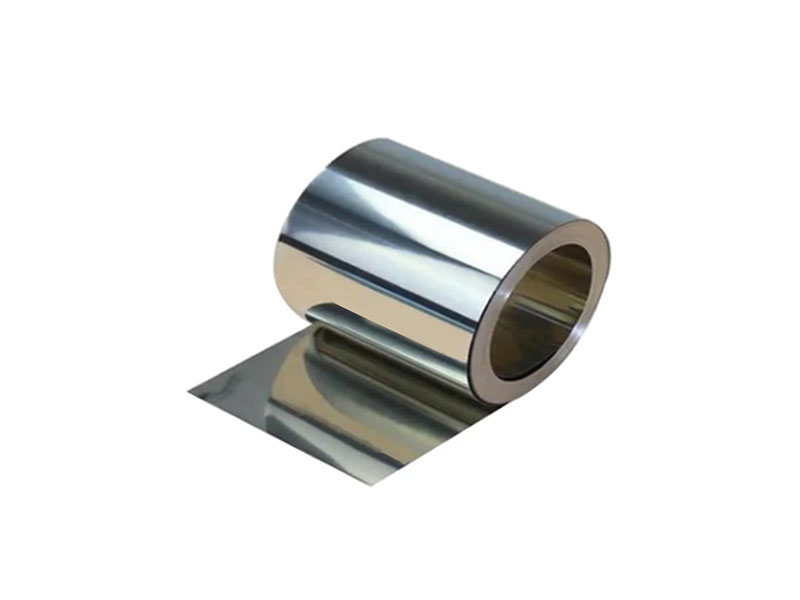
0.2mm Electrolytic Tinplate Coil for Packaging
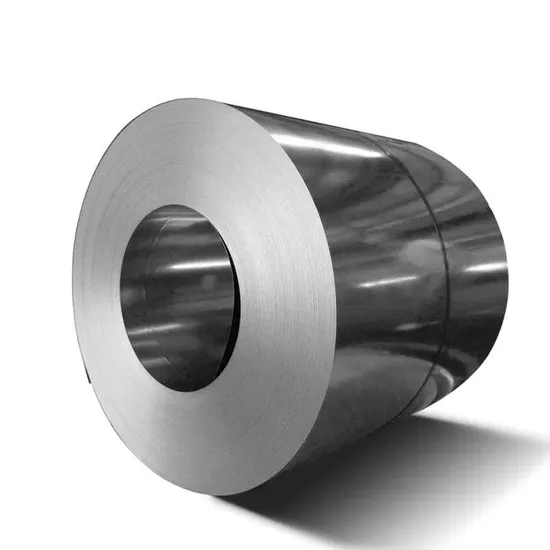
Steel Plate Tin Electric (SPTE)