


What is a tin plate used for?
 Oct 24, 2025|
 View:18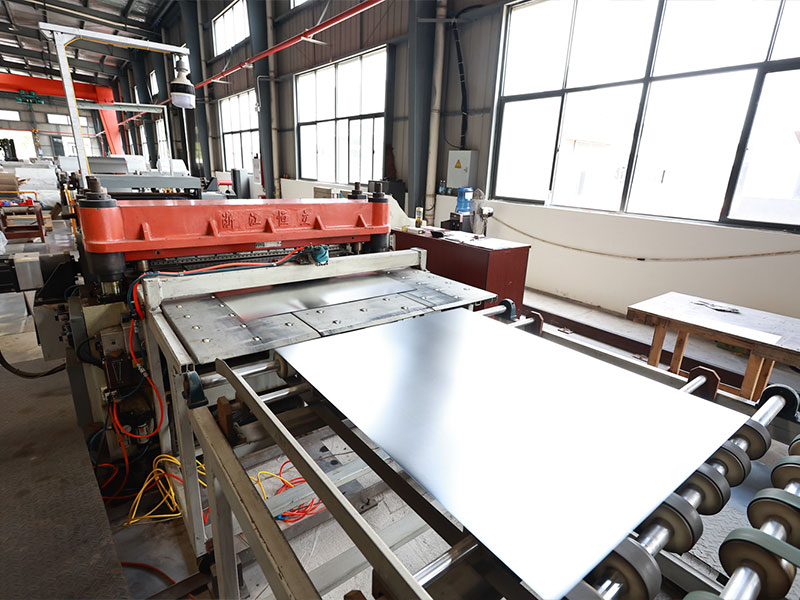
Tin plate may sound like a simple material, but in reality, it plays a critical role in modern manufacturing and everyday life. From food cans in your kitchen to industrial packaging, automotive components, and even decorative items, tin plate quietly supports multiple industries across the globe.
So, what exactly is a tin plate used for, and why has it remained so relevant for centuries? In this in-depth guide, we’ll explore everything you need to know—what tin plate is, how it’s made, why it’s so valuable, and where it’s used today. If you work in manufacturing, packaging, or materials sourcing—or you’re simply curious—this article will give you a clear, practical understanding.
Understanding What Tin Plate Is
What Exactly Is Tin Plate?
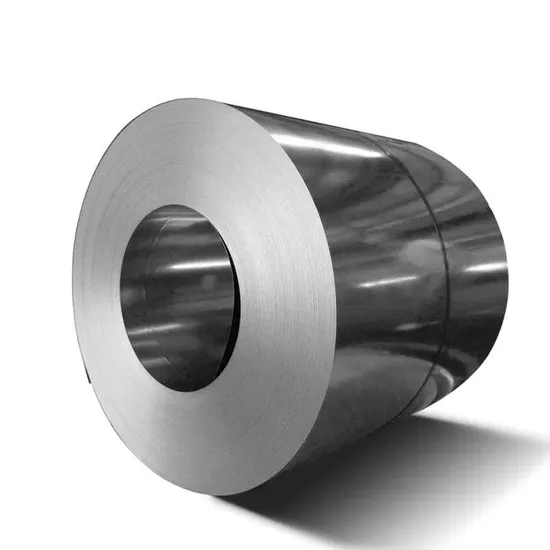
Tin plate is a thin sheet of steel that has been coated with a very fine layer of tin. This tin coating protects the steel from corrosion while giving it a smooth, shiny, and food-safe surface. The result is a material that combines the strength of steel with the corrosion resistance and non-toxicity of tin.
In simple terms, tin plate is steel wearing a protective tin jacket.
How Tin Plate Is Manufactured
The production of tin plate typically involves rolling steel into thin sheets and then coating it with tin using either hot-dipping or electrolytic plating. Modern production relies heavily on electrolytic tin plating because it offers precise control over coating thickness and surface quality.
This controlled process ensures consistency, durability, and suitability for sensitive applications such as food packaging.
Why Tin Plate Is So Widely Used
Excellent Corrosion Resistance
One of the main reasons tin plate is so popular is its resistance to rust and corrosion. The tin coating acts as a barrier between the steel and external elements like moisture and oxygen.
This property makes tin plate ideal for packaging products that must remain uncontaminated for long periods.
Safe for Food and Beverage Contact
Tin is non-toxic and safe for direct contact with food. That’s why tin plate is widely used in food packaging, especially for canned goods.
When properly coated and lacquered, tin plate prevents chemical reactions between food and metal, preserving taste, color, and nutritional value.
Strong Yet Lightweight
Tin plate offers an excellent balance between strength and weight. It’s thin enough to be lightweight and easy to shape, yet strong enough to protect contents during transportation and storage.
Easy to Form, Cut, and Print On
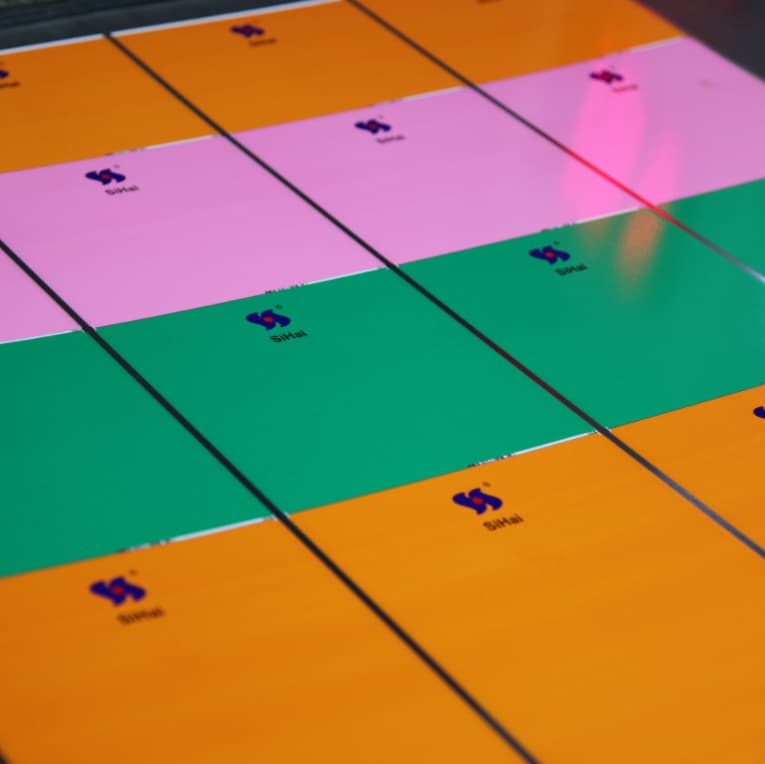
Another key advantage of tin plate is its formability. It can be easily stamped, bent, welded, and shaped into various forms. Its smooth surface also makes it ideal for printing, branding, and decorative finishes.
Primary Uses of Tin Plate
Food Packaging Applications
Canned Foods
The most common use of tin plate is in food cans. Vegetables, fruits, meats, seafood, soups, and pet food are often stored in tin plate containers.
These cans protect food from light, air, and bacteria, significantly extending shelf life without the need for preservatives.
Beverage Containers
Although aluminum is widely used today, tin plate still plays a role in specialty beverage containers, including certain juices, energy drinks, and powdered drink packaging.
Packaging for Non-Food Products
Chemical and Industrial Packaging
Tin plate is commonly used to package chemicals, oils, lubricants, paints, and solvents. Its corrosion resistance and strength make it ideal for safely storing aggressive substances.
Aerosol Cans
Many aerosol cans for products like deodorants, sprays, and insecticides are made from tin plate. The material can withstand internal pressure while maintaining product integrity.
Tin Plate in Household and Consumer Products
Storage Containers and Tins
Decorative tins for cookies, tea, coffee, spices, and gift items are often made from tin plate. These containers are durable, reusable, and visually appealing.
Kitchenware and Utensils
Some kitchen tools, trays, and baking molds use tin plate due to its heat resistance and ease of cleaning.
Toys and Decorative Items
Traditional toys, signage, and retro-style decorative products frequently use tin plate because it’s easy to shape and print on with vibrant designs.
Industrial Uses of Tin Plate
Automotive Industry Applications
Tin plate is used in automotive filters, gaskets, housings, and small structural components. Its corrosion resistance helps protect parts exposed to oil, moisture, and temperature changes.
Electrical and Electronic Components
Because tin conducts electricity well and resists corrosion, tin plate is used in electrical connectors, terminals, and shielding components.
Construction and Building Materials
In construction, tin plate may be used for roofing accessories, insulation components, and protective casings where lightweight corrosion-resistant material is needed.
Tin Plate in the Medical and Pharmaceutical Industry
Pharmaceutical Packaging
Tin plate containers are used for ointments, creams, powders, and certain medical supplies. Their airtight and contamination-resistant properties make them ideal for sensitive products.
Medical Equipment Components
Some medical devices and equipment housings incorporate tin plate due to its clean surface and resistance to oxidation.
Environmental Benefits of Tin Plate
Highly Recyclable Material
One of the strongest advantages of tin plate is its recyclability. Both steel and tin can be recycled repeatedly without losing quality.
Recycling tin plate saves energy, reduces raw material consumption, and lowers carbon emissions.
Sustainable Packaging Choice
As sustainability becomes a global priority, tin plate stands out as an eco-friendly alternative to plastics. Its durability and recyclability align well with circular economy principles.
Tin Plate vs Other Packaging Materials
Tin Plate vs Aluminum
Tin plate offers greater strength and rigidity than aluminum, making it suitable for heavier or pressure-sensitive products. Aluminum, on the other hand, is lighter but more prone to denting.
Tin Plate vs Plastic
Compared to plastic, tin plate provides superior protection, longer shelf life, and better recyclability. Plastic may be lighter, but it often lacks the durability and environmental benefits of tin plate.
Tin Plate vs Stainless Steel
Tin plate is more cost-effective and easier to process than stainless steel, making it ideal for mass production and disposable packaging.
Advantages of Using Tin Plate
Long Shelf Life for Products
Tin plate protects contents from light, air, and moisture, significantly extending shelf life.
Cost-Effective for Mass Production
Its efficient manufacturing process makes tin plate affordable for large-scale applications.
Excellent Printability for Branding
Tin plate surfaces are ideal for high-quality printing, allowing brands to create eye-catching packaging.
Strong Mechanical Protection
Products packaged in tin plate are better protected during transportation and handling.
Limitations of Tin Plate
Susceptibility to Scratches
If the tin coating is damaged, the underlying steel can become vulnerable to corrosion.
Higher Weight Than Some Alternatives
Tin plate is heavier than plastic and aluminum, which may increase transportation costs in some cases.
How to Choose the Right Tin Plate for Your Application
Consider Coating Thickness
Different applications require different tin coating thicknesses for optimal performance.
Evaluate Lacquer and Surface Treatments
Food and chemical packaging often require special lacquers to prevent reactions.
Match Tin Plate Grade to Usage
Industrial, food-grade, and decorative tin plates each have specific strengths and standards.
Future Trends in Tin Plate Usage
Growth in Sustainable Packaging
As governments and consumers push for eco-friendly materials, tin plate usage is expected to rise.
Improved Coating Technologies
Advancements in coating methods are improving durability and corrosion resistance.
Customization and Smart Packaging
Printed tin plate and smart labeling technologies are opening new possibilities for branding and traceability.
Conclusion: Why Tin Plate Remains an Essential Material
So, what is a tin plate used for? The answer is simple—almost everywhere durability, safety, and sustainability matter.
From food cans and industrial packaging to household items and automotive components, tin plate continues to prove its value. Its corrosion resistance, recyclability, strength, and versatility make it a material that has stood the test of time.
As industries evolve and sustainability becomes a top priority, tin plate is not fading away—it’s becoming more important than ever. If you’re looking for a reliable, cost-effective, and environmentally responsible material, tin plate remains a smart and proven choice.
Recommended Products
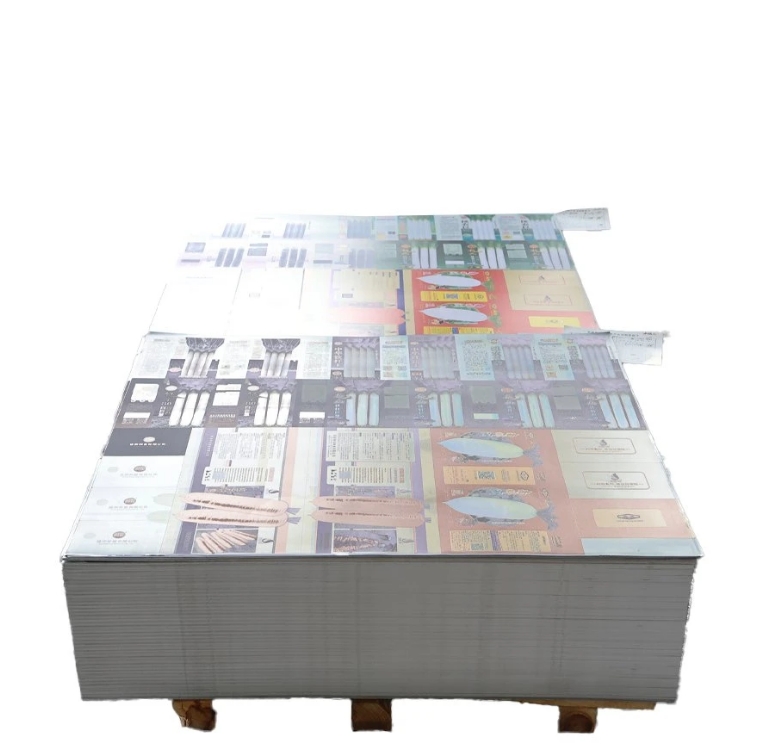
Tinplate Sheet Tin Free Steel Tin Coating Coils Printed Tinplate
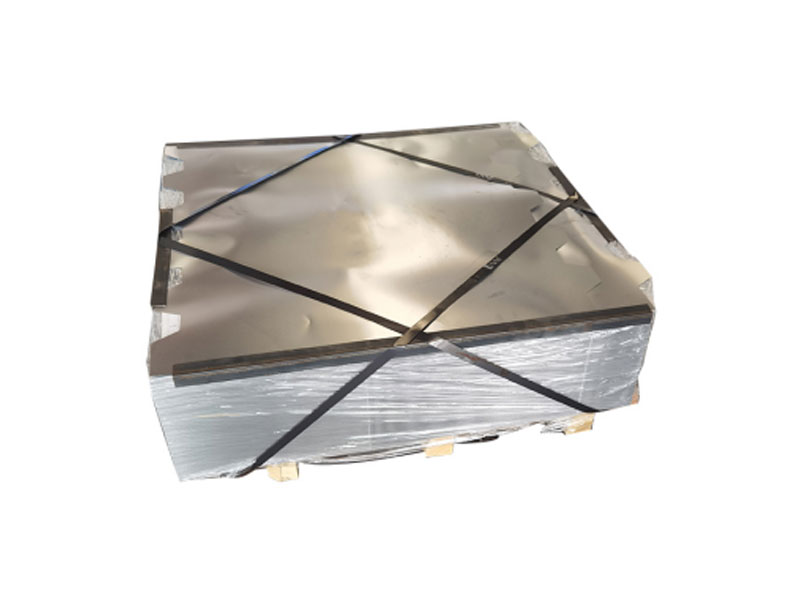
White CR Metal Tin Plate 0.23 Corrosion Resistance
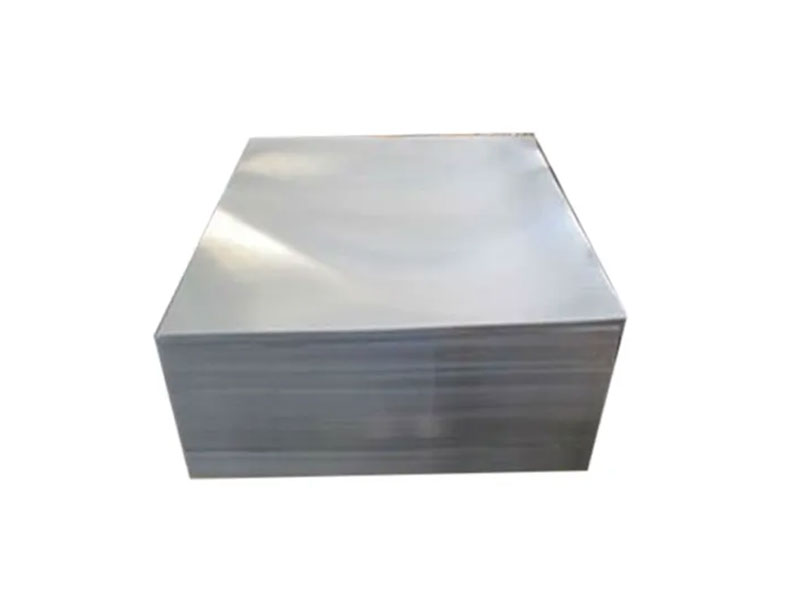
Food Grade Tin Plate SPCC 0.17mm Bright Tinplate Coil
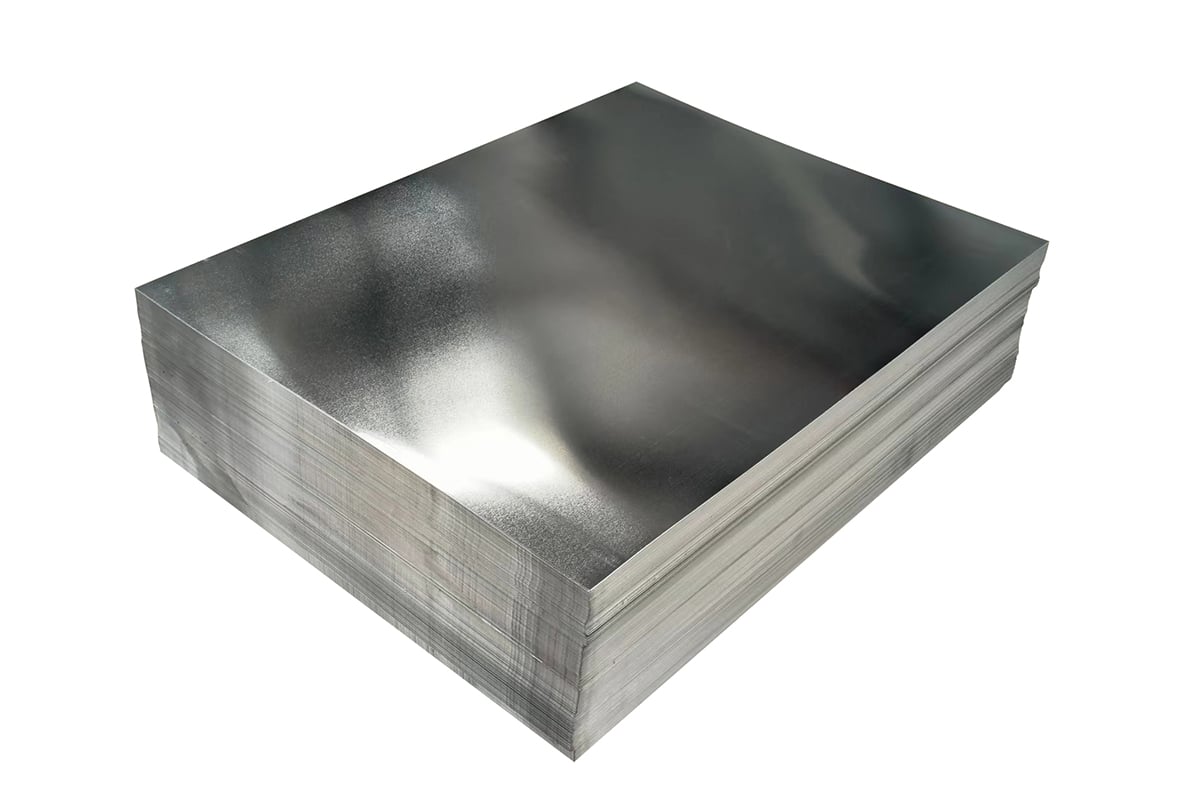
Tinplate Sheet
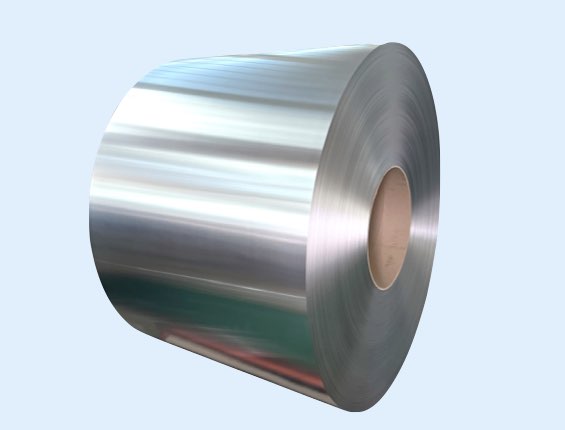
Tin Free Steel
Tin Free Sheet (TFS)
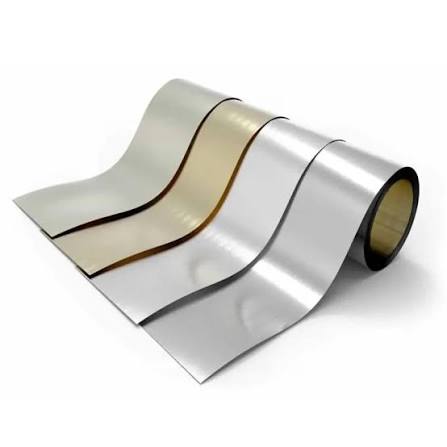
Corrosion Resistance Tinplate Electrolytic Tinplate Sheet 0.2mm Thickness SPTE TFS
850mmX560mm 0.23 T3 Electrolytic Tinplate Strips SPTE/TFS
Steel Plate Tin Electric (SPTE)
Recent News
1.What size are easy open ends?
2025-06-252.Top 10 Metal Lid Suppliers in Germany 2025
2025-09-043.What is the use of electrolytic tinplate?
2025-04-284.Tin Plated Steel: An Overview of Properties, Applications, and Market Trends
2024-09-265.What is a tinplate sheet?
2024-07-196.What is a tin plate sheet metal?
2024-06-26