
Beverage Can Basics: What It Is and How It Works
 Sep 19, 2026|
 View:6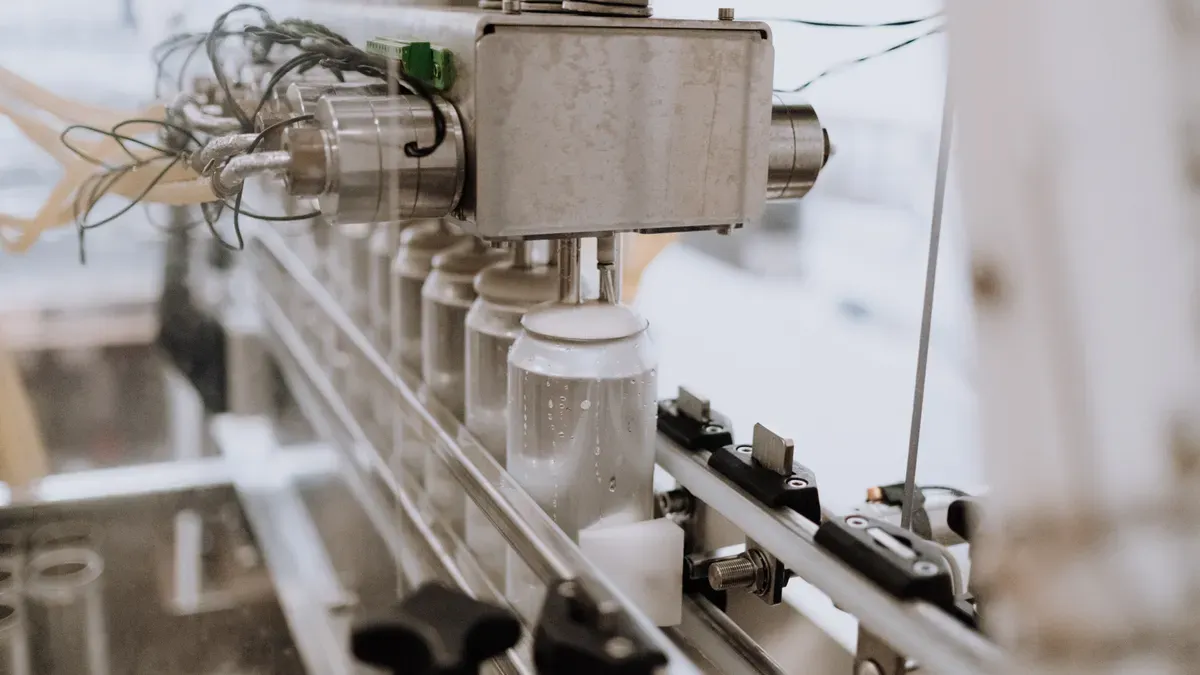
A beverage can is a metal container with a polymer interior that holds one serving of liquid. It keeps drinks like soda, beer, or juice fresh by blocking light and air. In 2025, the global market for these cans is valued at USD 45.4 billion. It is forecast to grow to USD 67.4 billion by 2033, a compound annual growth rate of 5.0%. This growth shows the importance of cans in beverage packaging. The double seam and internal pressure seal in carbonation, while the easy-open end offers convenience. These cans store soda, juice, energy beverages, and seltzers. This design protects the liquid from light and oxygen and keeps it fresh.
Key Takeaways
A beverage can is a metal container with a polymer lining that keeps the drink safe.
The double seam and pressure inside keep fizzy drinks fresh for months.
Aluminum cans are light, do not rust, and save 95% of energy when recycled.
The stay-on tab opens the can safely, so no loose, sharp pieces fall off.
What Is a Beverage Can?
A Simple Definition
A beverage can is a metal container with a polymer inside. It holds a set amount of liquid. These liquids can be sodas, alcoholic drinks, juices, teas, and energy drinks. The outside is usually made from aluminum or tin-plated steel. Aluminum makes up 75% of cans worldwide, while tin-plated steel is 25%. The round shape comes from smart design. It is strong and efficient. It stacks well and can handle pressure from carbonation.
The 12 oz (355 mL) can is the best-selling size on Earth. It makes up about 45% of all beverage cans. Its width is usually between 57 and 66 mm. Height changes by region: 168 mm in Asia-Pacific and 122 to 134 mm in Europe and the US. A standard 12 oz can is 4.8 inches (12.2 cm) tall and 2.6 inches (6.62 cm) wide.
Basic Parts of a Can
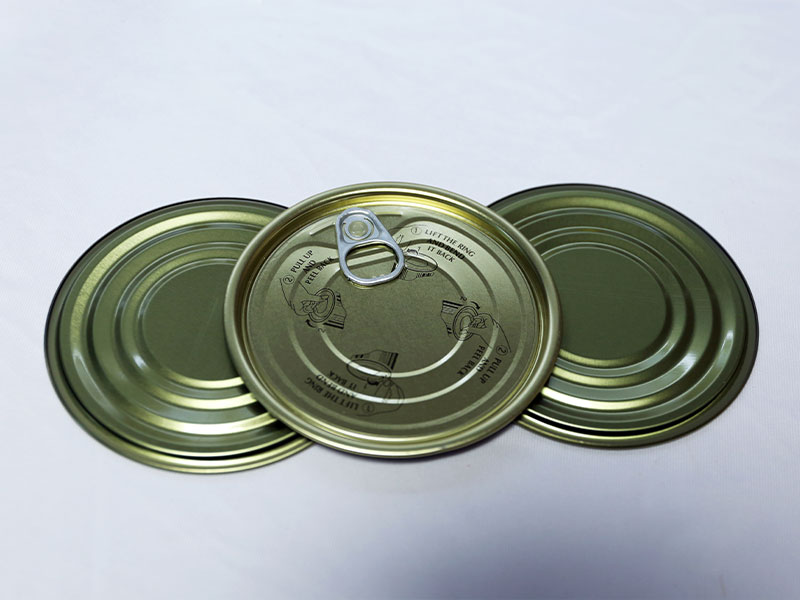
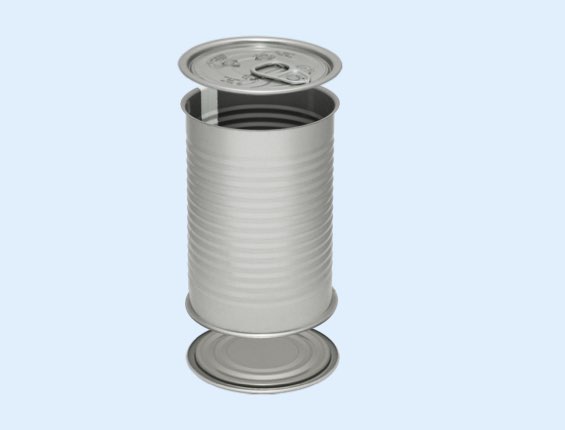
Every can has four key parts. The can body is the round wall. The bottom end is a separate piece that seals the base. The easy-open end (EOE) sits on top and lets you get to the drink. The inner coating protects the metal from the liquid.
The can body starts as a strip that is 0.30 mm thick. A process called drawing and ironing thins the wall down to 0.110 mm. The top neck is 0.16 mm thick. This thinning cuts weight and cost while keeping strength.
The inner coating is very important. Modern can liners are man-made polymers. The most common type is an epoxy-based coating. It sticks well to metal, bends easily, and resists many chemicals. Because people worried about Bisphenol A (BPA) in epoxy liners, the industry has mostly switched to BPA-NI (Bisphenol A-Non Intent) options. These use materials like acrylics, polyesters, or vinyl-based polymers. They work just as well without BPA.
Different parts use different coatings. Three-piece bodies use epoxy-phenolic or BPA-NI polyester. Ends and EOE use high-flex BPA-NI polyester. Rings and tabs use flexible BPA-NI. Fancy or retort lids use retort-stable epoxy-phenolic or BPA-NI hybrid coatings. Aerosol food valves use special barrier coatings.
The easy-open end has changed a lot. Early ring-pull designs tore a piece of the lid off completely. The tab and torn piece came off the can. This left sharp, exposed metal edges. The stay-on-tab (SOT) design lifts to release pressure, then pushes a panel down into the can. The tab and panel stay attached to the lid. This creates a smooth, folded edge. The attached design stops loose sharp pieces. It also avoids metal waste.
These parts work together to make a dependable package. The metal body gives strength. The coating stops rust and bad taste. The EOE gives easy access. Each piece helps the can be a safe, strong container for drinks.
Types of Beverage Cans
Aluminum Cans
Aluminum cans lead the global market. These containers are light, resist rust, and can be recycled many times. An empty 12-ounce aluminum can weighs about 14 to 15 grams. Some measurements say a drained can is around 13 grams. This light weight lowers shipping costs and uses less material.
Recycling saves a huge amount of energy. Making new aluminum takes an average of 66 MJ/kg. Recycling with solid-state methods uses only 1 MJ/kg. That leads to about 95% energy savings. The U.S. Department of Energy reports that recycled aluminum takes 90% less energy than new aluminum. This makes aluminum cans a strong pick for sustainability goals.
Aluminum also fights rust on its own. A thin oxide layer forms on the surface and shields the metal. This trait makes aluminum cans great for acidic drinks like carbonated beverages. The material handles pressure well and does not change the taste.
Tinplate and TFS Cans
Tinplate cans begin with a steel base. A thin layer of tin covers the steel surface. This tin layer guards against rust. Tin does not rust easily, so it holds wet and dry materials without breaking down. Modern tinplate cans use a thin tin coating on steel to stop rust. These cans work for acidic or highly reactive food items. The contents stay the same.
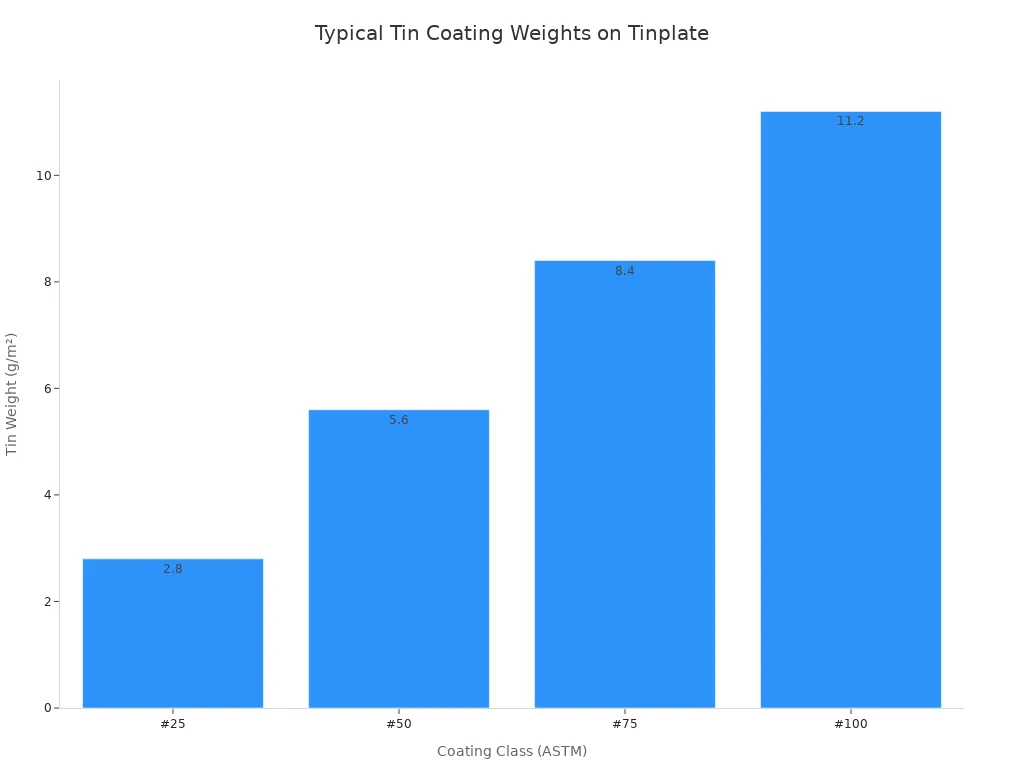
Electrolytic tinplate (ETP) has a coating weight range of 0.5 to 11.2 g/m² per side. A thin tin coating allows resistance welding. The table below shows nominal tin weights by ASTM coating class.
Coating Class (ASTM) | Nominal Tin Weight per Side (g/m²) |
|---|---|
#25 | 2.8 |
#50 | 5.6 |
#75 | 8.4 |
#100 | 11.2 |
For beverage uses, carbonated drinks, juice, and energy drink cans often use T2.5/T3 BA, #25–#50, Bright finish. Specialty beverage cans use slim or standard diameters with about 0.18–0.22 mm thickness and DR8–DR9 temper.
Specialty beverage: Slim/standard diameters, ≈0.18–0.22 mm thickness, DR8–DR9 temper, Light equal or differential coating.
TFS (tin-free steel) cans give similar performance without tin. The oxide surface helps polymers stick strongly. Adhesion to linings is excellent. For ends, double-reduced grades such as DR-8/DR-9 are common to reach buckle resistance without adding thickness. Tabs often use higher-temper strip to make sure rivets form well and opening force works.
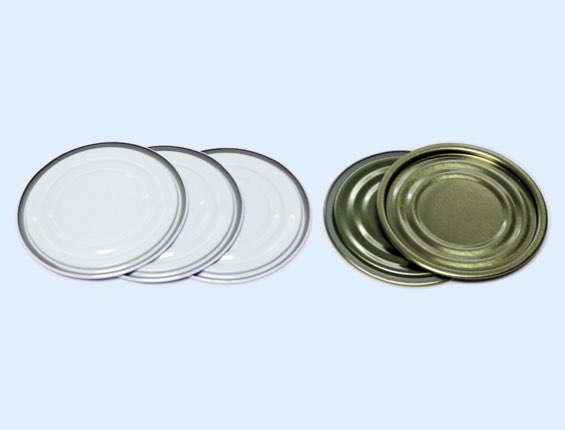
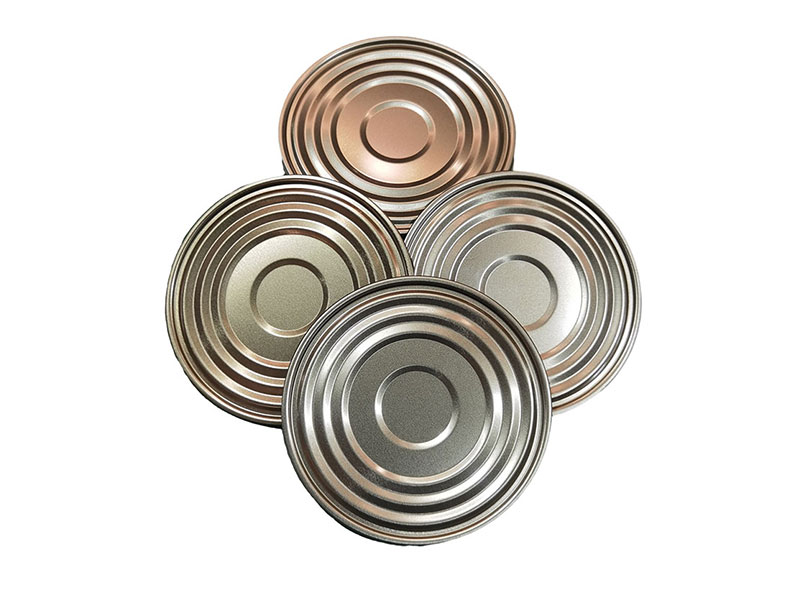
AINISITEL is a professional one-stop ETP/TFS service factory with over 30 years of experience. The company offers Can Products including bottom ends, easy-open ends (EOE), and complete can-making solutions. AINISITEL's Can Products use food-grade coatings. Sizes range from 52mm to 153mm (202#, 305#, 401#, 602#). Thickness ranges from 0.15mm to 0.28mm. These options support many packaging needs across the beverage industry.
How a Beverage Can Works
Sealing and Pressure
A beverage can starts as a flat metal disc. The disc is reformed into a cylinder with an integral end. This process is called drawing and ironing, or DWI. The metal is drawn into a cup shape first. Then a punch forces the cup through dies to thin the walls and increase height. The base stays constant while the body stretches. After forming, the can is trimmed, washed, and dried. Next, the exterior is coated and printed with labels. A protective lacquer is sprayed inside and baked. The can is then necked and flanged at the top. Finally, every can is leak-tested before shipping.
Internal pressure keeps carbonated drinks fresh. A typical can of Coca-Cola at 75°F has about 55 psi. At 40°F, pressure drops to roughly 17 psi. Pasteurization requires 80 to 90 psi. A standard aluminum soda can is designed to withstand at least 90 psi. This is about six times the pressure in a typical car tire. The double-seam seal prevents leaks. This hermetic seal joins the end to the body by interlocking five layers of material. Two seaming operations compress these layers together. A sealing compound fills microscopic gaps. Minimum overlap of at least 1.0 mm is required for a hermetic seal.
Opening Mechanisms
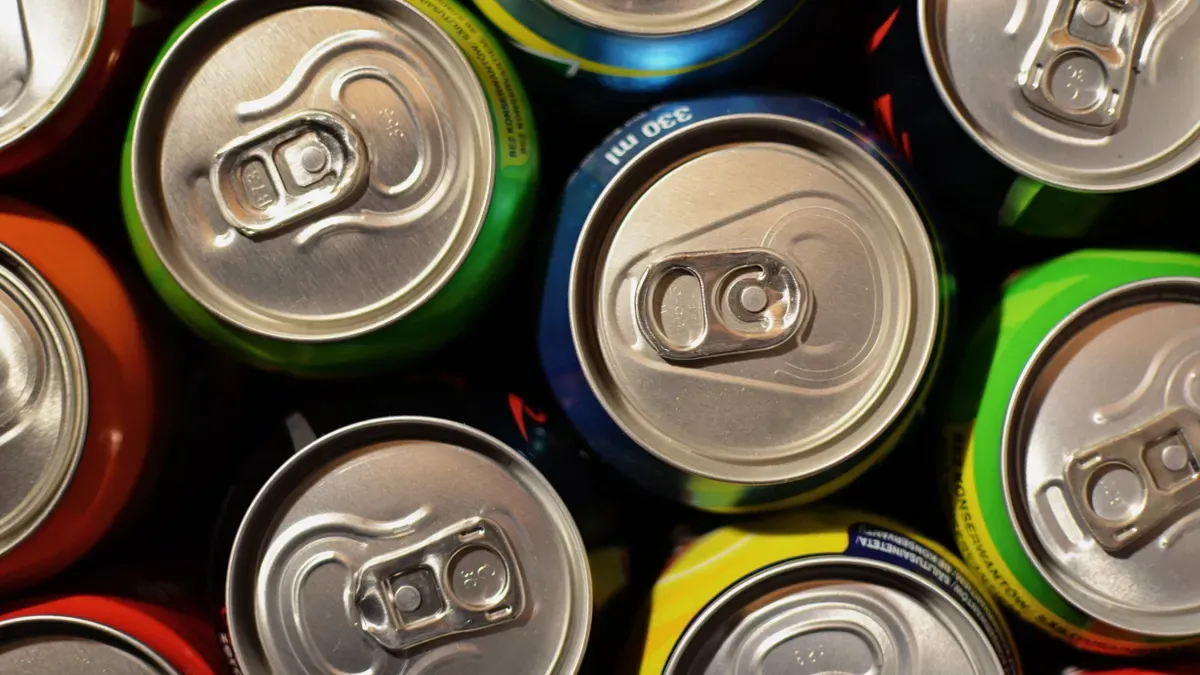
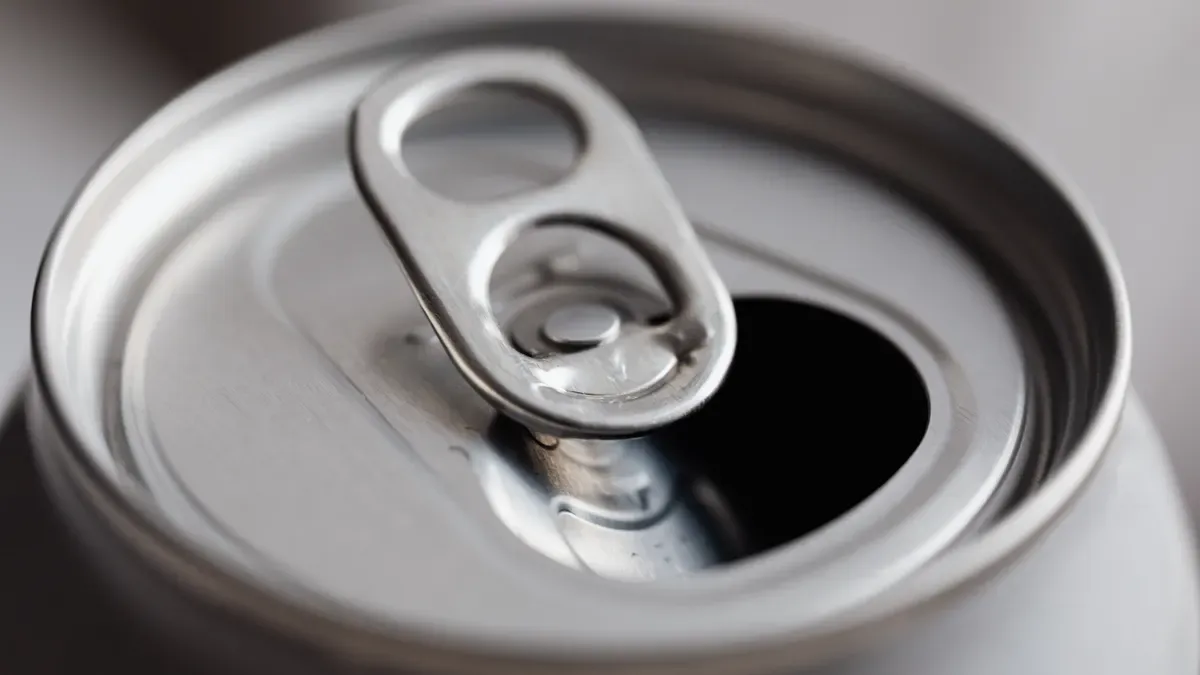
The easy-open end (EOE) is a common feature on modern beverage cans. Early ring-pull designs tore a piece of the lid off completely. This left sharp, exposed metal edges. The stay-on tab (SOT) design solved this problem. The tab lifts to release pressure, then pushes a panel down into the can. The tab and panel stay attached to the lid. This creates a smooth, folded edge. The attached design stops loose sharp pieces. It also avoids metal waste. The flexible rivet is engineered to flex during operation without breaking off. The scored opening panel is pushed safely inside rather than detached. These safety features make the stay-on tab a standard for beverage applications.
Uses of Cans in Beverage Can Packaging
Carbonated Drinks and Beer
Carbonated soft drinks are one of the biggest uses for metal containers in beverage can packaging. These packages hold soda, sparkling water, and similar fizzy drinks under pressure. The sealed design keeps carbonation fresh for months. Beer also depends heavily on this format. The Brewers Association's 2025 Packaging Trends report shows that aluminum cans held 78% of packaged craft beer volume in 2025, an increase of two percentage points from the prior year. This confirms that cans dominate the U.S. craft beer packaging market, with glass accounting for the remaining 22%. Craft beer producers like this option because it blocks light and oxygen, two enemies of fresh flavor.
The global drink packaging industry keeps growing. Market analysts predict a compound annual growth rate of about 5% over the next five years. The projected market size could reach USD 300 billion by 2028. Another forecast suggests a 5.8% compound annual growth rate from 2026 to 2033. Rising health-conscious consumer preferences for functional beverages drive this growth. Increasing demand for environmentally friendly packaging also plays a role. Resource optimization and cost-effectiveness remain key decision drivers.
Juices, Energy Drinks, and Seltzers
Juice, energy drinks, sports drinks, seltzers, and functional beverages all use metal containers for packaging. Narrower and taller formats, often 12 oz or 250 ml, suit seltzers, energy drinks, and functional beverages. Red Bull uses a 250 ml (8.4 fl oz) standard can. Monster uses a 500 ml (approximately 16 fl oz) size. These shapes give a modern look and fit well in hands and cup holders.
AINISITEL's Can Products serve the food, beverage, paint, and chemical packaging industries. Customers across Asia, Africa, Europe, and South America depend on these solutions. AINISITEL offers customizable sizes, colors, internal lacquer options (gold, white, aluminum, or clear), and outer finishes (plain or printed). This flexibility supports diverse beverage applications and sustainability goals. The company's food-grade coatings meet safety standards for a wide range of drink products. Sustainable packaging continues to gain attention across the industry.
A beverage can is a metal container with a polymer lining that holds a single serving of liquid. Aluminum cans dominate the market, while tinplate and TFS cans serve specialty needs. The double-seam seal and internal pressure keep carbonated drinks fresh. The stay-on tab makes opening safe and simple. These cans package soda, beer, juice, energy drinks, and seltzers. Recycling rates for aluminum cans reached 75% in 2023, according to Eunomia Research & Consulting and the International Aluminium Institute. Can Central reports a global rate of 71%. This packaging format protects flavor and supports sustainability. The next time you crack open a cold drink, remember the engineering inside that small metal can.
FAQ
What materials make up a beverage can?
Most cans are made from aluminum or tin-plated steel. Aluminum is about 75% of the world's supply. Tinplate and TFS options are used for special needs. A polymer coating inside keeps the metal safe from the drink.
How does a can keep carbonated drinks fresh?
Pressure inside the can keeps the bubbles in the liquid. A normal soda can at 75°F has about 55 psi. The double-seam seal joins the end to the body with five locked layers. This airtight seal stops leaks and keeps flavor steady for months.
What is a stay-on tab?
The stay-on tab is a newer way to open a can. You lift the tab to let out pressure, then it pushes a panel into the can. The tab and panel stay attached to the lid. This makes a smooth edge and stops loose sharp pieces.
Which drinks use metal containers?
Soda, beer, juice, energy drinks, sports drinks, seltzers, and functional beverages all use this packaging. Craft beer held 78% of packaged volume in aluminum in 2025. Smaller 250 ml sizes work well for energy drinks and seltzers.
Are these containers recyclable?
Yes. Recycling aluminum saves about 95% of the energy needed to make new metal. Global recycling rates hit 71% according to Can Central. Recycled aluminum takes 90% less energy than new production, per the U.S. Department of Energy.