

ETP vs TFS: What Is the Difference and Which Material Should You Choose?
 Sep 24, 2026|
 View:31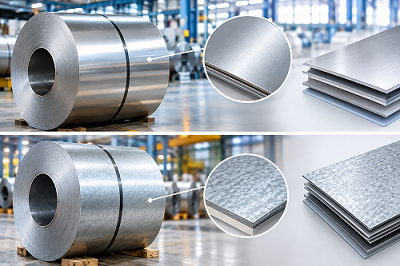
When choosing steel materials for metal packaging, buyers often compare ETP vs TFS. Both are electrolytically coated steel products used in cans, closures, ends, and other metal packaging applications, but they are not the same material and should not always be treated as direct substitutes.
ETP (Electrolytic Tinplate) uses a layer of tin on a low-carbon steel substrate, while TFS (Tin Free Steel), also known as ECCS (Electrolytic Chromium-Coated Steel), uses a chromium-based surface coating instead of tin. The right choice depends on the application, forming process, coating system, joining method, corrosion requirements, printing requirements, and overall packaging cost.
For international buyers, understanding the difference between ETP and TFS is important before specifying material thickness, coating weight, temper, surface finish, and supply format.
What Is ETP?
ETP stands for Electrolytic Tinplate. It is a low-carbon steel substrate coated with tin through an electrolytic process. The tin coating provides surface protection while maintaining properties that are useful for metal packaging manufacturing.
ETP is widely used for applications where a combination of formability, corrosion protection, printing, coating compatibility, and solderability is required.
Common ETP applications include:
Food cans
Beverage packaging components
Paint cans
Aerosol packaging
Can lids and ends
Decorative metal packaging
Other formed metal containers
ETP is available in different thicknesses, widths, tempers, and tin coating weights. These specifications should be selected according to the can design and manufacturing process rather than simply choosing the lowest material price.
What Is TFS?
TFS stands for Tin Free Steel. It is also commonly referred to as ECCS, or Electrolytic Chromium-Coated Steel.
Unlike ETP, TFS does not use tin as its primary surface coating. Instead, the steel substrate receives an electrolytically applied chromium/chromium oxide surface.
TFS is valued for characteristics such as lacquer adhesion, coating performance, heat resistance, and suitability for specific metal packaging applications.
Typical TFS applications include:
Can ends
Easy open ends
Closures
DRD cans
Metal packaging components
Coated metal containers
One important point for buyers is that TFS performance is closely related to the coating or lacquer system used in the final product. Therefore, material selection should be evaluated together with the complete manufacturing process.
ETP vs TFS: What Is the Main Difference?
The most important difference between ETP and TFS is their surface coating.
| Feature | ETP | TFS |
|---|---|---|
| Full name | Electrolytic Tinplate | Tin Free Steel |
| Other name | Tinplate | ECCS |
| Steel substrate | Low-carbon steel | Low-carbon steel |
| Surface coating | Tin | Chromium / chromium oxide |
| Solderability | Excellent for suitable applications | Different joining methods may be required |
| Lacquer adhesion | Good | Very good with suitable coating systems |
| Printing | Suitable | Suitable with appropriate coating |
| Formability | Good | Good |
| Common applications | Food cans, packaging, closures | Can ends, closures, DRD cans |
| Main selection factor | Tin coating and application requirements | Coating system and application requirements |
This comparison does not mean that one material is universally better than the other. ETP and TFS are designed for different material and processing requirements.
The correct choice should be based on the complete packaging system.
ETP vs TFS Coating: Why Does the Surface Matter?
The coating determines how the steel interacts with the environment and with subsequent manufacturing processes.
ETP Tin Coating
The tin layer on ETP provides corrosion protection and contributes to the material's suitability for metal packaging. ETP can also provide good printing and lacquer compatibility, making it suitable for products where appearance and surface protection are both important.
For buyers, important ETP specifications may include:
Tin coating weight
Differential or equal coating
Surface finish
Steel grade
Temper
Thickness
Width
These specifications can influence forming, coating, printing, and final packaging performance.
TFS Chromium Coating
TFS uses a chromium-based surface rather than a tin coating. One of its important characteristics is its compatibility with lacquer and coating systems.
For this reason, TFS is frequently considered for applications where the final product will receive a suitable organic coating or lacquer.
When purchasing TFS, buyers should therefore consider not only the steel specification but also whether the material is compatible with the intended coating, printing, forming, and packaging process.
ETP vs TFS for Can Manufacturing
The best material depends heavily on the type of can or component being produced.
ETP for Food Cans
ETP is widely used in metal food packaging because it combines formability, corrosion protection, surface performance, and compatibility with printing and coating processes.
Applications can include:
Fruit cans
Meat cans
Fish cans
Pet food cans
Tomato sauce cans
Other processed food cans
For food packaging, however, buyers should also confirm the required coating system, food-contact requirements, and applicable regulations for the target market.
TFS for Can Ends and Closures
TFS is commonly considered for can ends, closures, and other formed components where lacquer adhesion and coating performance are important.
Applications may include:
Easy open ends
Can lids
Closures
DRD cans
Other coated metal components
The final selection should be based on the forming process and coating system used by the can manufacturer.
ETP vs TFS for Printing and Coating
Printing and coating are important considerations when selecting metal packaging materials.
ETP provides a well-established surface for printing and coating applications and is widely used for decorative metal packaging.
TFS can also provide strong lacquer adhesion and is suitable for applications where the final surface will be protected by an appropriate coating system.
For a new project, buyers should evaluate:
Required printing quality
Ink compatibility
Lacquer type
Coating thickness
Heat treatment
Forming process
Final product requirements
Which material works best with my complete printing and coating system?
This approach is more useful than asking only whether ETP or TFS is better for printing because final performance depends on the interaction between the substrate, coating, ink, forming process, and end-use requirements.
Is TFS Cheaper Than ETP?
Material price is an important consideration, but it should not be the only factor in an ETP vs TFS comparison.
The total cost of a metal packaging material can include:
Raw material cost
Coating cost
Printing cost
Forming cost
Tooling
Production scrap
Coating and lacquer
Processing efficiency
Transportation
Supply stability
Therefore, a lower price per ton does not automatically mean a lower total packaging cost.
For large-volume projects, buyers should compare total cost per finished can or component, rather than comparing only the price of ETP and TFS coils.
Can TFS Replace ETP?
Not always.
ETP and TFS should not be considered automatic drop-in replacements. Changing from ETP to TFS may affect:
Coating
Lacquer
Printing
Forming
Joining
Tooling
Production parameters
Corrosion protection
If a manufacturer is considering switching materials, the compatibility of the new material with the existing production line should be evaluated first.
For example, if a production line has been optimized around ETP and its existing coating and joining processes, simply replacing ETP with TFS may require additional process adjustments.
The safest approach is to conduct material testing and confirm specifications with the material supplier and can manufacturer before making a large-scale change.
How to Choose Between ETP and TFS?
A practical selection process can start with the following questions:
Choose ETP When:
The packaging design specifies tinplate.
Solderability is important.
The existing production line is optimized for ETP.
Tin coating is part of the required material specification.
The application requires established tinplate printing and coating processes.
Consider TFS When:
The application is designed for TFS.
Lacquer adhesion is an important requirement.
Can ends or closures are being produced.
The production process already supports TFS.
The coating system has been validated for TFS.
Ultimately, application and production compatibility should determine the material choice, rather than material price alone.
What Specifications Should You Check When Buying ETP or TFS?
International buyers should provide clear technical specifications when requesting an ETP or TFS quotation.
1. Thickness
The required thickness should match the can structure, forming process, and mechanical requirements.
2. Width
For coils, specify the required coil width, slit width, or sheet dimensions.
3. Temper
Common ETP specifications may include T1 through T5, depending on the required mechanical properties and forming process.
4. Coating
For ETP, specify the required tin coating weight. For TFS, specify the applicable chromium/chromium oxide coating requirements.
5. Surface Finish
Specify the required surface finish according to printing, coating, and appearance requirements.
6. Supply Form
Confirm whether you require coil, sheet, or cut-to-size material.
7. Final Application
Always identify whether the material will be used for food cans, beverage packaging, can ends, easy open ends, closures, paint cans, or another application.
Providing these details helps suppliers recommend a suitable specification instead of quoting a generic ETP or TFS material.
ETP and TFS Supply for Metal Packaging
For buyers sourcing metal packaging materials from China, it can be useful to work with a supplier that understands both the material and downstream packaging applications.
AINISITEL's product range covers ETP / tinplate, TFS / tin free steel, tinplate coil and sheet, printing, coating, lamination, can lids, easy open ends, and other metal packaging products.
This allows buyers to evaluate material selection together with subsequent processing and packaging requirements.
For example, a project may require:
ETP/TFS material → Sheet or Coil → Printing/Coating → Can Components → Finished Metal Packaging
This integrated approach can help buyers coordinate material specifications, surface treatment, printing requirements, and final packaging applications.
ETP vs TFS: Frequently Asked Questions
Is TFS the same as tinplate?
No. TFS and ETP are different coated steel materials. ETP uses tin coating, while TFS uses a chromium-based coating.
Which is better, ETP or TFS?
Neither material is universally better. The appropriate choice depends on the application, forming process, coating system, joining method, and required packaging performance.
What is ETP used for?
ETP is commonly used for food cans, metal containers, closures, packaging components, and other applications requiring tinplate.
What is TFS used for?
TFS is commonly used for can ends, easy open ends, closures, DRD cans, and other coated metal packaging applications.
Can TFS replace ETP?
Not automatically. A material change may require adjustments to coating, forming, joining, printing, and production processes.
What should I provide when requesting an ETP or TFS quotation?
At minimum, provide material type, thickness, width, temper, coating requirements, surface finish, supply form, final application, and estimated quantity.
Conclusion
ETP and TFS are both important materials for metal packaging, but they serve different technical and manufacturing requirements. ETP uses tin coating and offers a combination of corrosion protection, formability, printing compatibility, and solderability. TFS uses a chromium-based coating and is particularly relevant to applications requiring suitable lacquer adhesion and coated metal surfaces.
The right choice depends on more than the material itself. Buyers should consider the can design, forming process, coating system, printing requirements, joining method, end-use application, and total production cost.
If you are comparing ETP vs TFS for a new packaging project, provide your required thickness, width, temper, coating specification, application, and estimated volume. AINISITEL can help evaluate the appropriate material and processing option for your metal packaging requirements.

About the Author
Hi, I’m Goose Gong – Senior Packaging Materials Specialist and Lead Technical Consultant for Tinplate Applications.
With over 20 years of hands-on experience in metal manufacturing, tinplate processing, and customized metal packaging solutions, I created this blog to bridge the gap between material science and real-world industrial needs.
Here, I share practical insights on tinplate specifications, coating technologies, beverage can materials, and supply chain optimization to help global buyers make informed decisions. Let’s connect and innovate together!