

How to Choose the Right Tin Can Manufacturer for Your Business
 Oct 08, 2026|
 View:7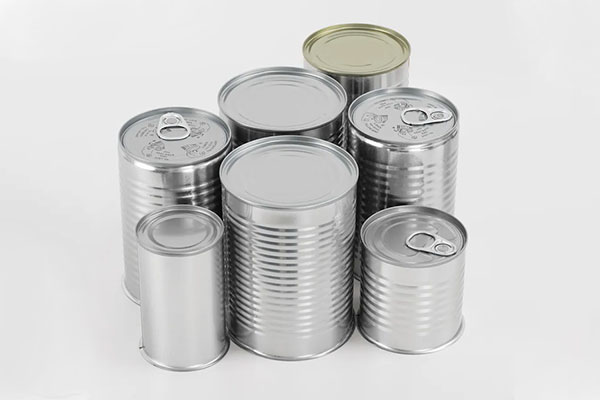
AINISITEL is a metal packaging manufacturer specializing in tinplate materials, ETP/TFS processing, printing, coating, tin cans, and can lids. With an integrated supply chain, in-house tinplate printing capabilities, and quality inspections throughout production, AINISITEL helps international buyers source metal packaging materials and components from one supplier. For businesses looking for a reliable tin can manufacturer, choosing the right partner means evaluating product suitability, manufacturing capabilities, quality control, customization, and long-term supply reliability.
Selecting a supplier based on price alone can lead to inconsistent specifications, production delays, or packaging compatibility problems. This guide explains the key factors to consider before placing a bulk order.
1. Define Your Tin Can Requirements
Before comparing a tin can supplier with other manufacturers, define what your business needs. Different products and end uses require different materials, dimensions, coatings, and closure designs. A clear specification helps suppliers recommend suitable options and prepare more accurate quotations.
Key information to prepare
Application: Food packaging, dry goods, paint, chemicals, gifts, or other industrial uses.
Can dimensions: Diameter, height, shape, capacity, and dimensional tolerances.
Material: Tinplate (ETP), tin-free steel (TFS), or another material appropriate for the application.
Surface treatment: Internal coating, external coating, printed finish, or laminated material, where available.
Closure and components: Standard lids, easy-open ends, bottoms, or other compatible components.
Order volume: Initial order quantity, estimated annual demand, and expected reorder frequency.
If you already have technical drawings, product samples, or an existing packaging specification, share them with the supplier. These references can help reduce misunderstandings during product evaluation.
2. Evaluate the Manufacturer's Product Range and Production Capabilities
A capable metal packaging manufacturer should offer products and processing services that match your purchasing requirements. Depending on your business model, you may need finished tin cans, can lids, tinplate sheets, or processed materials ready for your own can-making operations.
AINISITEL's published product range includes ETP and TFS materials, tinplate printing and coating services, tin cans, can lids, and easy-open ends. Its integrated offering can help buyers coordinate material selection and downstream processing through one supplier.
What to check during supplier evaluation
Whether the supplier produces the finished product or only supplies raw materials and components.
Whether its equipment supports your required material thickness, dimensions, and processing needs.
Whether printing, coating, or lamination is available for your product specifications.
Whether the supplier can support repeat orders with consistent specifications.
Whether it can provide samples, technical information, and a clear quotation process.
Do not assume that every tin can manufacturer offers every type of metal container or closure. Confirm the exact product scope, compatible materials, and available specifications before moving forward.
3. Check Material Selection and Product Compatibility
Material selection affects forming performance, corrosion resistance, appearance, and the suitability of a package for its intended contents. Tinplate, also known as electrolytic tinplate (ETP), combines a steel base with a tin coating. Tin-free steel (TFS), also known as electrolytic chromium-coated steel (ECCS), uses a different surface treatment and is selected for applications compatible with its properties.
The right option depends on the can design, manufacturing process, internal coating requirements, and intended use. For food packaging, the material and internal protective system must be evaluated together rather than selected independently.
Ask your prospective tin can manufacturer to confirm:
Available material grades, tempers, and thicknesses.
Whether the selected material is suitable for your forming and joining process.
Available internal and external coating options.
Compatibility with the product being packed and the intended storage conditions.
Relevant technical data and compliance documentation for your target market.
4. Review Quality Control Procedures
Consistent quality is essential for bulk packaging orders. Differences in dimensions, coating coverage, surface appearance, or closure fit can affect downstream production and the performance of the finished package.
Before choosing a supplier, ask how quality is checked at different production stages. A useful quality-control plan should be appropriate to the product and may cover incoming materials, processing parameters, finished-product dimensions, visual appearance, and relevant functional tests.
Questions to ask a potential supplier
How are incoming materials identified and inspected?
Which dimensions and appearance characteristics are checked during production?
How are coating defects, scratches, and other nonconformities managed?
Are sealing, leakage, or compatibility tests applicable to the product?
Can inspection records or test reports be supplied when required?
How are nonconforming products handled and corrective actions documented?
For food-contact packaging, confirm the documentation required for the specific product, coating system, destination market, and intended food. Do not rely on a general statement of compliance without reviewing the relevant supporting documents.
5. Compare Customization, Printing, and Finishing Options
Packaging appearance can influence brand recognition and shelf presentation. If your business requires customized tin cans or printed tinplate, verify whether the supplier can meet your artwork, color, surface-finish, and dimensional requirements.
Depending on the product and production setup, customization may include:
Custom can dimensions and shapes.
Printed logos, brand graphics, and product information.
Different coating or finishing options.
Material and thickness selections within available specifications.
Matching lids, bottoms, and other compatible components.
Ask about artwork file requirements, color approval, sampling, tooling needs, and any minimum order quantity that applies to your design. If you are introducing a new package, confirm the design and production feasibility before approving a large order.
6. Compare Total Cost, MOQ, and Lead Time
The lowest unit price does not always represent the lowest total purchasing cost. Buyers should compare quotations using the same technical specifications and commercial terms.
| Cost Factor | What to Confirm |
|---|---|
| Material and specifications | Grade, thickness, coating, dimensions, and processing requirements. |
| Customization | Printing, finishing, tooling, setup, and sample costs, where applicable. |
| Minimum order quantity | MOQ for standard products, custom orders, and repeat orders. |
| Production lead time | Sample approval, production scheduling, and estimated completion date. |
| Shipping and packaging | Export packing, shipping terms, freight, insurance, and destination charges. |
Request a quotation that clearly lists the specifications, quantity, price basis, delivery terms, and validity period. For recurring orders, discuss forecast demand and the process for confirming future production schedules.
7. Assess Communication and Export Support
International sourcing requires clear communication between the buyer and the supplier. A reliable partner should be able to clarify technical requirements, explain quotation details, communicate production updates, and coordinate shipping information.
Before placing an order, confirm the main contact person, document requirements, sample approval process, packaging and labeling requirements, and arrangements for handling quality issues. Buyers should also confirm the applicable payment terms, delivery terms, and responsibilities of each party in the transaction.
For long-term procurement, a supplier's ability to understand your specifications and maintain consistent communication can be just as important as its initial quotation.
8. Why Consider AINISITEL as Your Tin Can Supplier?
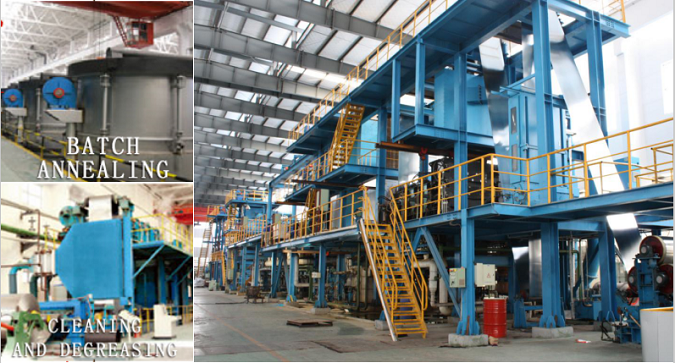
AINISITEL provides a range of metal packaging products and processing services for international buyers. Its published capabilities include ETP/TFS materials, tinplate printing and coating, tin cans, and can lids. This integrated product scope gives buyers a starting point for coordinating material and component requirements with one supplier.
Integrated product range: Tinplate materials, processed sheets, printing, coating, tin cans, and lids.
Printing and processing capabilities: Published services include tinplate printing and coating, with material options for different applications.
Quality checks: AINISITEL describes quality inspection at production stages.
Product selection support: Buyers can discuss application, dimensions, material, and processing requirements before requesting a quotation.
International sourcing: The company serves overseas customers across multiple markets.
The most suitable solution depends on the product type and required specifications. Share your drawings, target application, estimated quantity, and destination market so the team can assess the appropriate product options.
Frequently Asked Questions
What should I look for in a tin can manufacturer?
Evaluate product fit, material options, production capabilities, quality-control procedures, customization, MOQ, lead time, and export support. Request samples and technical documentation when necessary.
What is the difference between a tin can manufacturer and a tinplate supplier?
A tin can manufacturer supplies finished metal containers, while a tinplate supplier focuses on the steel material used to make them. Some suppliers, including AINISITEL, list both tinplate processing services and can-related products, but the exact supply scope should be confirmed for each order.
Can I order customized tin cans?
Customization may include dimensions, printing, coatings, and compatible lids, depending on the supplier's capabilities and the product design. Confirm feasibility, sampling requirements, and MOQ before ordering.
How can I get an accurate tin can quotation?
Provide the application, dimensions, material, thickness, coating or printing requirements, quantity, destination country, and any drawings or samples. These details help the supplier evaluate your request and prepare a more relevant quotation.
What information is needed for food-contact packaging?
Share the food type, processing and storage conditions, packaging structure, destination market, and applicable regulatory requirements. Ask the supplier for product-specific material and compliance documentation before confirming the order.
Find the Right Tin Can Manufacturing Partner
Choosing the right tin can manufacturer involves more than comparing prices. Product compatibility, material selection, consistent quality, customization, and supply planning all contribute to a successful procurement decision.
AINISITEL welcomes inquiries from packaging buyers, distributors, and manufacturers looking for tinplate materials, tin cans, lids, and related processing services. Share your project requirements to discuss suitable products and quotation details.