

Tinplate vs Aluminum: Which Metal Packaging Material Is Better?
 Jul 27, 2026|
 View:96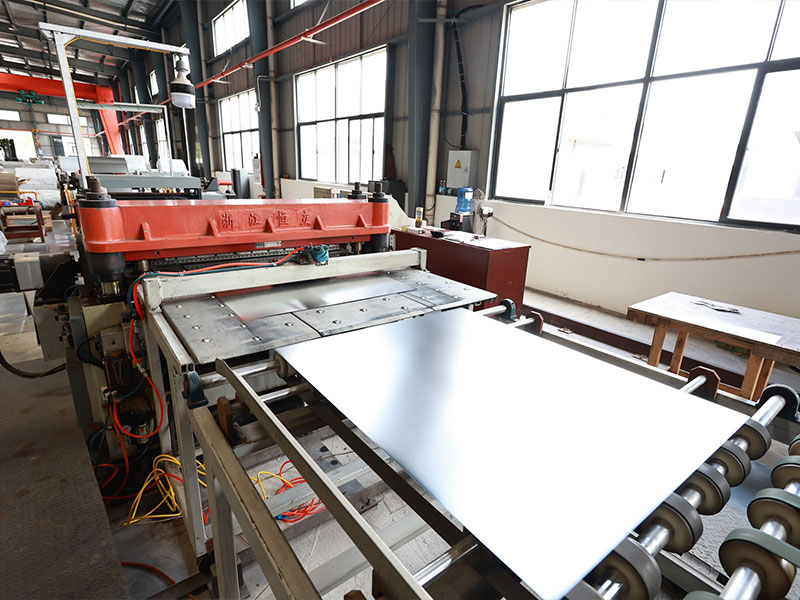
Choosing the right metal packaging material is an important decision for manufacturers in the food, beverage, chemical, and consumer goods industries. Two of the most widely used metal packaging materials are tinplate and aluminum. Both materials offer excellent packaging performance, but they have different advantages in terms of strength, corrosion resistance, processing capability, printing performance, and cost.
For companies searching for a reliable tinplate manufacturer or metal packaging material supplier, understanding the differences between tinplate and aluminum can help them select the right material for their products.
Tinplate is known for its excellent strength, durability, and printing performance, while aluminum is valued for its lightweight properties and natural corrosion resistance. The best choice depends on the specific application, production requirements, and packaging goals.
This article provides a detailed comparison of tinplate vs aluminum, explains their advantages and disadvantages, and helps global buyers choose the right tinplate supplier or metal packaging solution.
Key Takeaways
Tinplate is a steel material coated with tin, offering high strength, excellent formability, and strong printing performance.
Aluminum is lightweight, naturally corrosion-resistant, and widely used for beverage cans and lightweight packaging.
Tinplate is often preferred for food cans, industrial containers, and decorative metal packaging.
Aluminum is commonly used where weight reduction and easy transportation are important.
Choosing an experienced tinplate manufacturer in China can provide customized solutions for different packaging applications.
What Is Tinplate?
Tinplate is a type of cold-rolled steel sheet coated with a thin layer of tin. The tin coating improves corrosion resistance while maintaining the mechanical strength of the steel base.
The structure of tinplate includes:
| Component | Function |
|---|---|
| Tin coating | Protects against corrosion |
| Steel base | Provides strength and rigidity |
| Surface treatment | Improves stability and appearance |
| Oil coating | Protects during storage |
Because of its combination of steel strength and tin protection, tinplate is widely used in metal packaging applications.
A professional tinplate manufacturer can provide different specifications according to packaging requirements, including thickness, coating weight, and surface finish.
What Is Aluminum Packaging Material?
Aluminum is a lightweight metal material widely used in packaging industries because of its low density and natural oxide protection.
Common aluminum packaging applications include:
Beverage cans
Food containers
Aerosol cans
Pharmaceutical packaging
Flexible packaging
Aluminum is popular among manufacturers looking for lightweight packaging solutions.
Tinplate vs Aluminum: Detailed Comparison
1. Strength and Durability
Strength is one of the biggest differences between tinplate and aluminum.
Tinplate Advantages
Tinplate has a steel base, giving it:
High mechanical strength
Excellent rigidity
Strong impact resistance
Good structural stability
This makes tinplate suitable for packaging products that require stronger protection.
Typical applications:
Food cans
Paint cans
Chemical containers
Metal boxes
Aluminum Advantages
Aluminum is lighter but generally softer than tinplate.
It provides:
Lightweight structure
Easy forming capability
Good transportation efficiency
However, aluminum packaging may require additional design considerations for products requiring high mechanical strength.
Conclusion:
For heavy-duty and rigid packaging applications, tinplate usually provides better structural performance.
2. Corrosion Resistance
Both materials provide good corrosion protection but through different mechanisms.
Tinplate Corrosion Protection
Tinplate relies on its tin coating to protect the steel base.
Advantages:
Good corrosion resistance
Suitable for food packaging
Compatible with protective coatings
A reliable tinplate sheet supplier can provide materials with suitable tin coating levels for different applications.
Aluminum Corrosion Protection
Aluminum naturally forms an oxide layer that protects the metal surface.
Advantages:
Natural corrosion resistance
Suitable for outdoor and moisture environments
Good chemical stability
Conclusion:
Both materials have good corrosion resistance, but the choice depends on the product environment and packaging requirements.
3. Formability and Processing Performance
Metal packaging manufacturers need materials that are easy to process.
Tinplate Processing Advantages
Tinplate offers:
Excellent stamping performance
Good deep drawing ability
Easy welding and forming
Flexible manufacturing options
It is widely used for:
Cans
Metal containers
Decorative packaging
Aluminum Processing Advantages
Aluminum provides:
Excellent flexibility
Easy forming
Lightweight processing
It is suitable for:
Beverage cans
Thin-wall containers
Flexible packaging
Conclusion:
Both materials have strong processing capabilities, but tinplate is often selected for applications requiring stronger formed structures.
4. Printing and Appearance
Packaging appearance plays an important role in brand marketing.
Tinplate Printing Performance
Tinplate has a smooth surface suitable for:
Offset printing
Decorative patterns
Brand graphics
Premium packaging designs
Common products:
Tea cans
Cookie tins
Gift boxes
Promotional metal packaging
Many brands choose tinplate because it provides excellent visual presentation.
Aluminum Printing Performance
Aluminum also supports printing processes but may require additional surface treatment depending on application requirements.
Conclusion:
Tinplate is widely preferred for decorative metal packaging where appearance is important.
5. Weight and Transportation Cost
| Material | Weight Characteristic |
|---|---|
| Tinplate | Heavier, stronger structure |
| Aluminum | Lightweight, easier transportation |
Aluminum is often selected for products where reducing transportation weight is a priority.
However, tinplate’s higher strength may reduce the need for thicker packaging structures.
6. Recycling and Sustainability
Both tinplate and aluminum are recyclable metal materials.
Tinplate Sustainability
Highly recyclable
Long service life
Suitable for reusable packaging concepts
Aluminum Sustainability
High recycling value
Lightweight transportation benefits
Can be recycled repeatedly
For companies seeking sustainable packaging solutions, both materials are environmentally friendly choices.
Tinplate vs Aluminum Comparison Table
| Feature | Tinplate | Aluminum |
|---|---|---|
| Main Material | Steel with tin coating | Aluminum alloy |
| Strength | High | Medium |
| Weight | Heavier | Lightweight |
| Corrosion Resistance | Excellent with coating | Excellent naturally |
| Printing Performance | Excellent | Good |
| Formability | Excellent | Excellent |
| Cost | Generally competitive | Usually higher material cost |
| Common Applications | Food cans, metal boxes, industrial containers | Beverage cans, lightweight packaging |
When Should You Choose Tinplate?
Tinplate is a better choice when your packaging requires:
Strong Structural Protection
Suitable for:
Food cans
Chemical containers
Industrial packaging
Premium Appearance
Suitable for:
Gift tins
Decorative boxes
Consumer packaging
Customized Metal Packaging
Tinplate supports:
Printing
Stamping
Cutting
Custom shapes
Companies looking for a custom tinplate products manufacturer often select tinplate because of its processing flexibility.
When Should You Choose Aluminum?
Aluminum is suitable when you need:
Lightweight Packaging
Examples:
Beverage cans
Portable containers
Travel products
High Transportation Efficiency
Lower weight can help reduce logistics costs.
Natural Corrosion Resistance
Suitable for products requiring long-term protection against moisture.
How to Choose a Reliable Tinplate Manufacturer?
For companies selecting tinplate as their packaging material, choosing the right supplier is essential.
1. Check Product Quality
A professional tinplate supplier should provide:
Stable material quality
Consistent specifications
Quality inspection reports
Material certificates
2. Evaluate Manufacturing Capability
Important factors include:
Production capacity
Processing equipment
Export experience
Customization ability
3. Confirm Application Experience
Different industries have different requirements.
A qualified tinplate manufacturer in China should understand applications including:
Food packaging
Beverage containers
Chemical packaging
Consumer metal products
Why Choose Ainisitel as Your Tinplate Supplier?
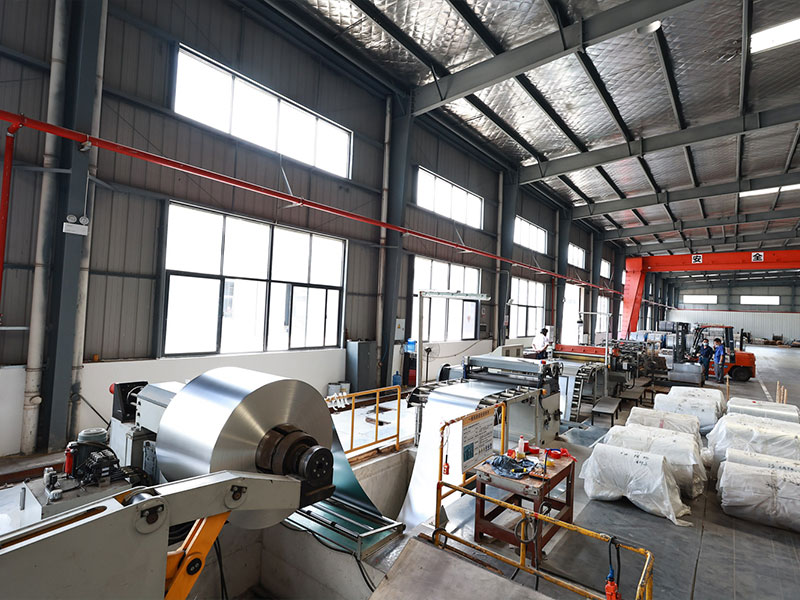
Changzhou Ainisitel provides tinplate and metal material solutions for international customers.
As an experienced tinplate supplier, Ainisitel focuses on delivering reliable metal packaging materials for different industrial applications.
Main Products
Tinplate Sheet
Suitable for:
Food cans
Metal packaging
Decorative products
Industrial containers
Tinplate Coil
Suitable for:
Large-scale production
Stamping processes
Continuous manufacturing
Advantages of Ainisitel Tinplate Solutions
1. Customized Specifications
Products can be supplied according to:
Thickness requirements
Surface requirements
Processing methods
Application needs
2. Multiple Industry Applications
Tinplate solutions are suitable for:
Food packaging companies
Beverage manufacturers
Chemical industries
Consumer product brands
3. International Supply Support
Ainisitel supports global customers with metal packaging material solutions and customized supply services.
Frequently Asked Questions About Tinplate and Aluminum
1. Is tinplate better than aluminum for metal packaging?
Tinplate and aluminum have different advantages. Tinplate provides higher strength and excellent printing performance, while aluminum offers lightweight characteristics. The better choice depends on the packaging application.
2. Why is tinplate commonly used for food cans?
Tinplate provides strong mechanical protection, corrosion resistance, and excellent processing performance, making it suitable for food can manufacturing.
3. Is aluminum more expensive than tinplate?
Material prices vary depending on market conditions. In many packaging applications, tinplate provides a cost-effective solution due to its strength and processing advantages.
4. Which industries use tinplate packaging?
Tinplate is widely used in:
Food packaging
Beverage containers
Chemical packaging
Decorative metal products
Industrial containers
5. How can I find a reliable tinplate supplier in China?
Buyers should evaluate supplier experience, production capability, quality control systems, customization services, and export experience before selecting a tinplate manufacturer.
Conclusion
Both tinplate and aluminum are valuable metal packaging materials with unique advantages. Aluminum provides lightweight solutions and excellent corrosion resistance, while tinplate offers superior strength, durability, printing performance, and flexible processing capabilities.
For industries requiring strong, attractive, and customizable metal packaging, tinplate remains a popular choice. Working with an experienced tinplate manufacturer can help companies obtain reliable materials and customized solutions.
For global buyers comparing tinplate vs aluminum, the right choice depends on product requirements, packaging performance expectations, and long-term manufacturing goals.
Recommended Products
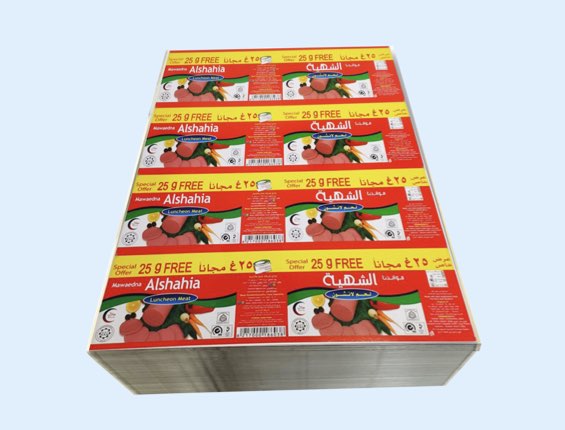
Electrolytic Printed Tinplate Sheet Metal
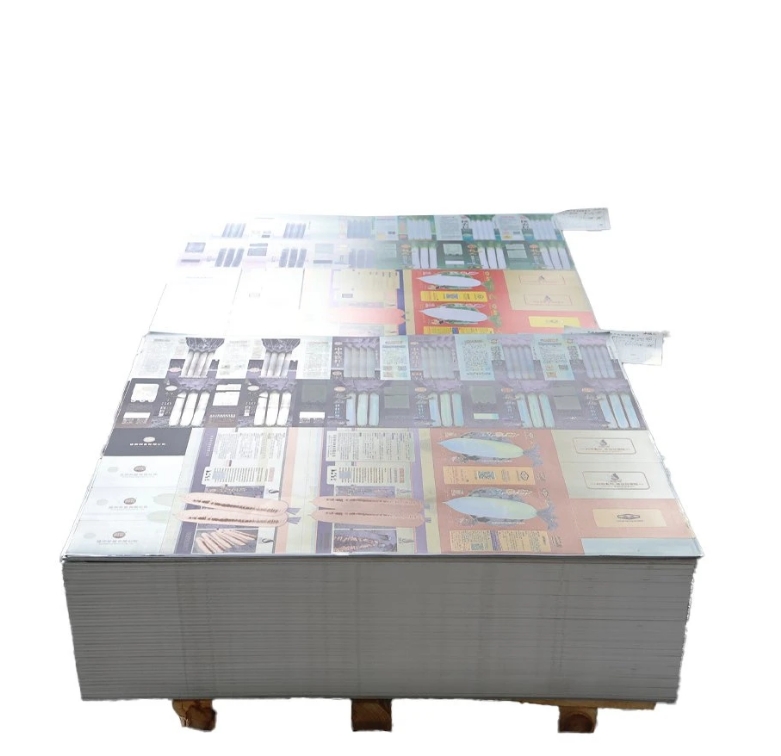
Tinplate Sheet Tin Free Steel Tin Coating Coils Printed Tinplate
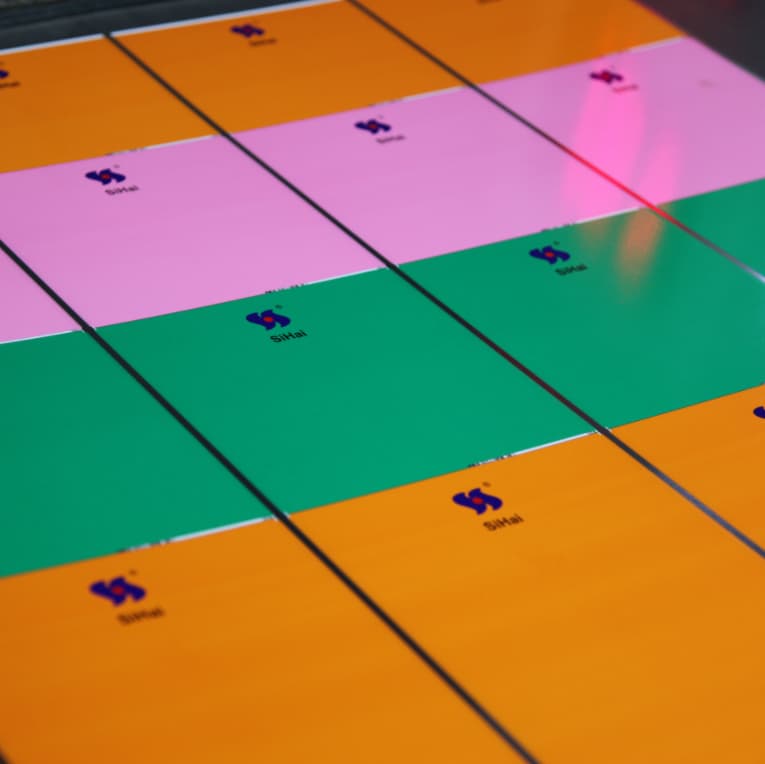
850mmX560mm 0.23 T3 Electrolytic Tinplate Strips SPTE/TFS
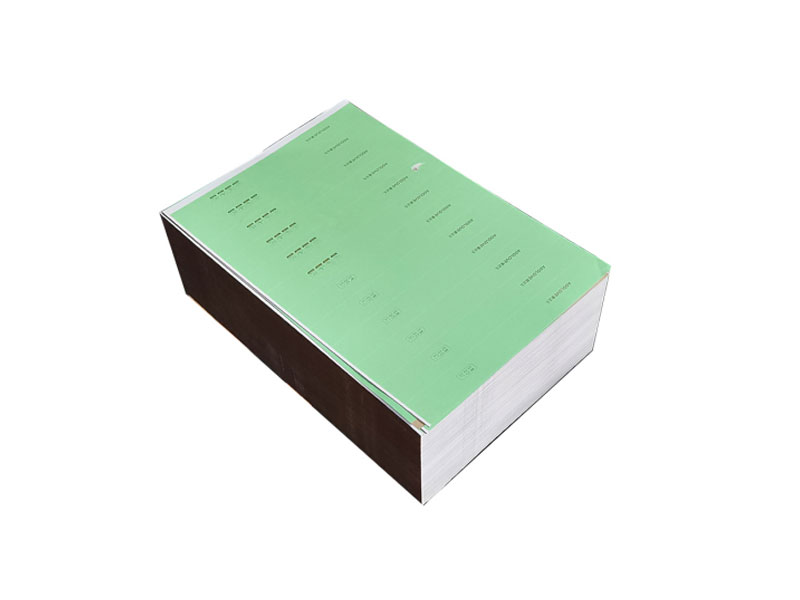
Lacquered T3 T4 0.18mm Electrolytic Tinplate Strips SPTE/TFS
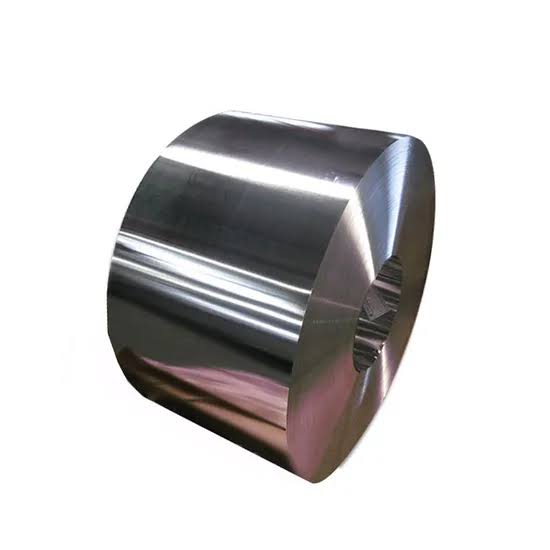
Tin Sheet Electro Tinplate Coil
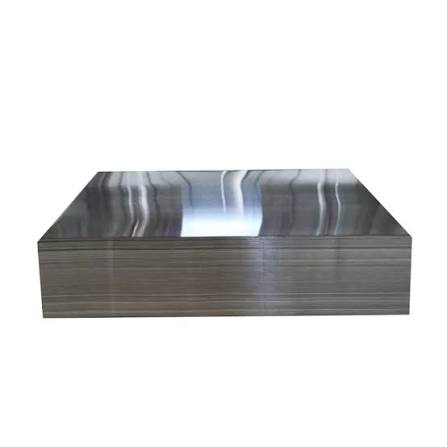
Tin Sheet Electro Tinplate Coil
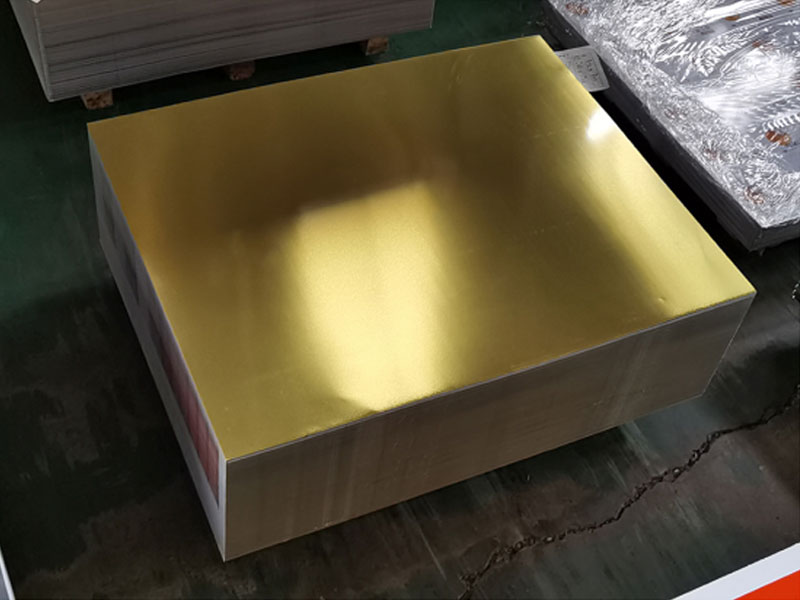
Tinplate Food Grade Sheet
Printing Tinplate Sheets
Recent News
1.Leading Tinplate Coil Manufacturers and Suppliers to Watch in 2026
2026-05-272.Understanding Tinplate and Its Essential Role in Modern Packaging
2026-03-253.What Is Electrolytic Tinplate Sheet?
2026-02-044.How Is Tinplate Different from Galvanized Steel?
2025-11-235.What is a tin plate used for?
2025-10-246.Top 10 Metal Lid Suppliers in Germany 2025
2025-09-047.What size are easy open ends?
2025-06-258.What is the use of electrolytic tinplate?
2025-04-289.What Is Tinplate and Why Is It Widely Used in Metal Packaging?
2026-06-30